![]()
4 August Follow UpThe 3 August Update on Filter Strips seems to be right in line with the U.S. House version of the 2007 Farm Bill that is replete with Biomass Reserve Program. The bill goes to the Senate after the August recess. The issue of course is that any biomass fuel grasslands planted will be for harvest and not for wildlife use during the hunting season when the fields will be stubble. There will be nesting benefit prior to harvest.
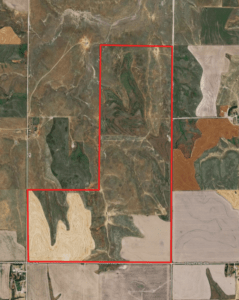
3 August Filter StripThis is land in north Missouri. Typical agricultural region grain fields cut by wooded dry and wet drainages part of a large watershed along slow rolling terrain.
These are examples of filter strips in the CP-33 Program. Missouri is pushing this program hard. Their value is containment of farm field runoff to prevent nitrates and other fertilizers and pesticides along with soil erosion containment from entering the drainages and streams. The intent is cleaner water as most watershed communities draw their drinking/cooking water from rivers and containment reservoirs.
What goes on the soil in the mid-west is blamed for the dead zone in the Gulf Of Mexico outside of New Orleans. That along with all the sewage and chemical runoff from river cities. Essentially, what we do to grow food and live on in the watersheds kills the seafood in the Gulf.
Placing wildlife friendly low to the ground cover habitat between wooded creek bottoms and crop fields (filter strips are only eligible on row crop fields not pasture or hay ground) has been long sought after by Bobwhite Quail hunters. The results are mixed as the filter strip width is variable under the CRP program and most farmers opt for the minimum rather than the maximum width. The thinner width strips are credited for allowing quail predators a more congested and easily hunted quail buffet. Farmers view the wider filter strips as consuming money producing crop land.
The farm mentality is unknown to most of the USA population residing in suburbia. Farmer self esteem is largely derived by acres farmed, head of cattle run, bushels produced, field quality, range and quality of equipment with the bottom line being profit. Filter strip programs contribute little to this farmer motivation. And, farmers are no different than anyone else reading this material. We all work to gain the maximum benefit we can possibly achieve. To do otherwise would be to act like a fool.
Deer hunters find value in the taller grasses that may be used in the filter strips as bedding cover. Turkey hunters certainly have seen the benefit of this additional nesting cover just as have the rabbit hunters found increased numbers of cottontails along such edge.
The motivating factor behind filter strip success does come down to money. The long time used maxim of: "Farm the best, conserve the rest." fits this effort.
A quote from the book: What I've Learned From No-Tilling, Cropping Secrets From 58 Highly Successful No-Tillers, by Ron Ross, Lessiter Publications, 2007, page 82: "One of the very first and most valuable things GPS showed us when we got our Greenstar monitor [measures grain bushels harvested by location within fields] is that we were losing 50 plus bushels per acre of corn around the edges of the fields along creek and hedge rows....That economic reality encouraged us to put in 40-foot buffer strips to control runoff and grassy strips for quail and other wildlife."
While the quote above may imply the farmer sought to have some moral high ground about being nice to the earth, the reality is money. He determined the operating costs for that land now under conservation was a negative cash flow for the amount of grain harvested. Eliminating unproductive crop land to boost profits has been a long time standing farm practice. Typically, this land would be fenced and pastured either by that landowner/farmer or to a tenant cattle farmer neighbor. Now with CRP a grain farmer has another choice that may lead to increase profits at less cash and time outflow. That same farmer with filter strips not pastured would find his acreage to command a higher hunting lease payment as well. The combination of hunting lease and CRP payments at very little cash/time outflow in terms of farmer operating costs means the profit margin for that land exceeds what grain or pasturing could produce.
Not all is rosy for the conservationist hunter. There is a movement to allow the filter strip as well as more traditional large acreage CRP to be planted in program harvestable 100% switch grass as a bio-fuel raw material. Research has shown that switch grass pound for pound produces more bio-fuel than soybean. Further, switch grass is easily planted, requires less fertilizer and less expensive equipment and operating hours to produce than soybeans meaning that switch grass simply has a larger profit margin compared to time and cash outflow. Switch grass once harvested produces very little wildlife habitat enhancement while continuing to conserve farm field run off from entering streams. For the hunting lease business and those that benefit from hunting on lease land, the lease costs may in the future be in part tied to bio-fuel raw material costs.
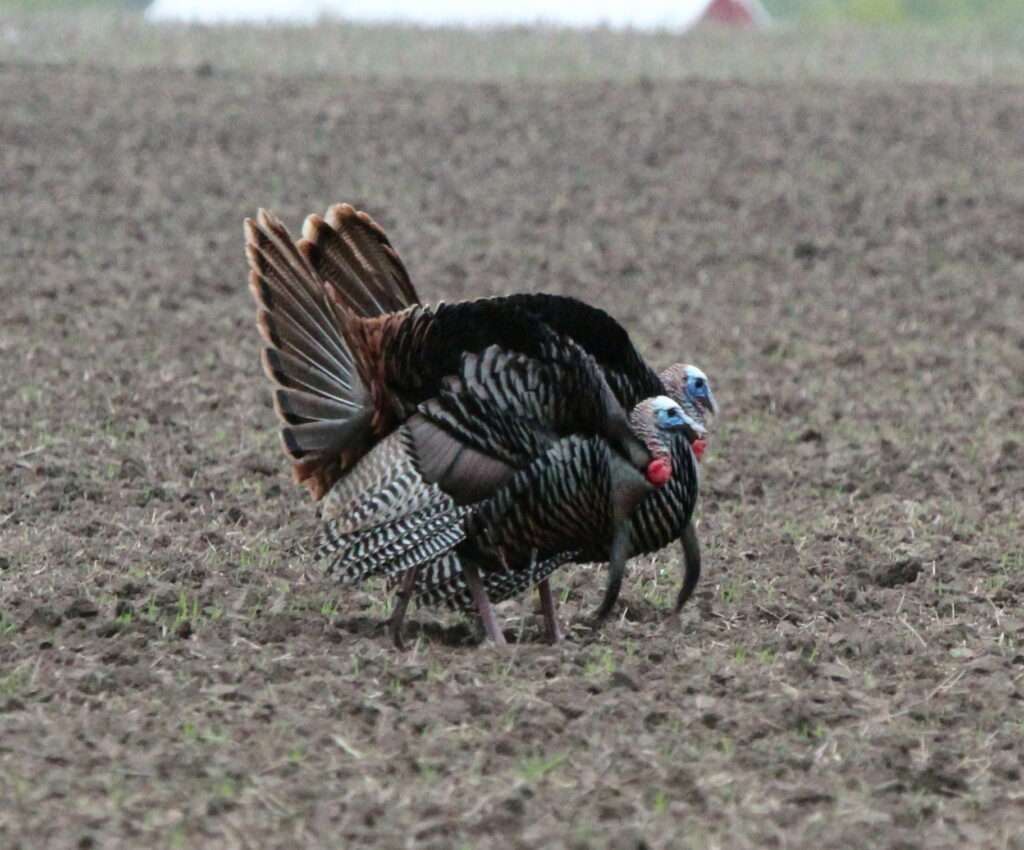
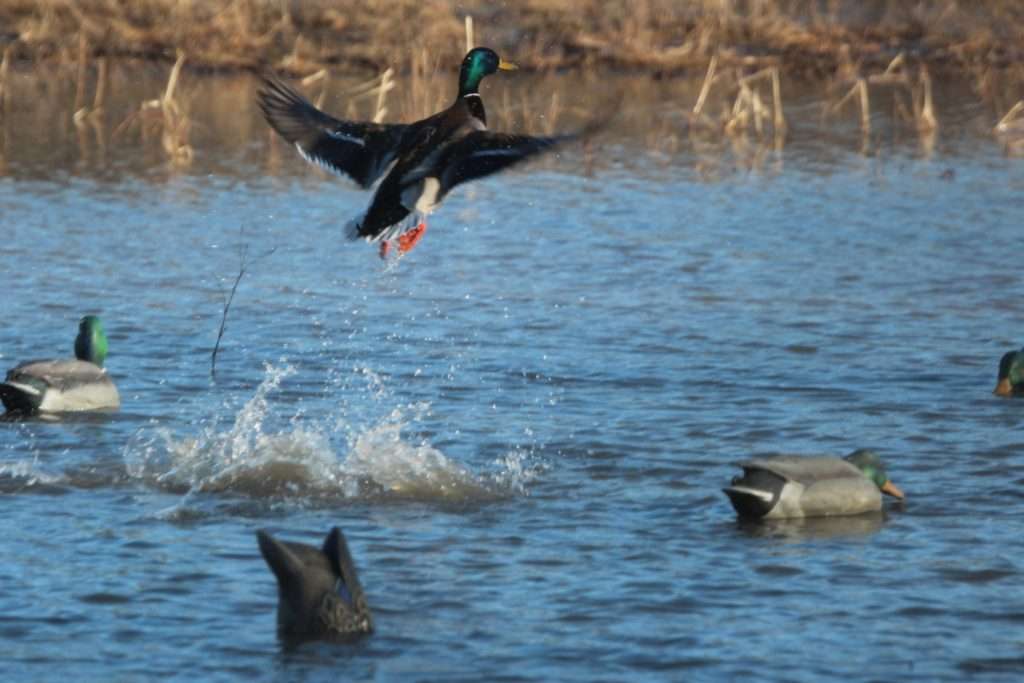
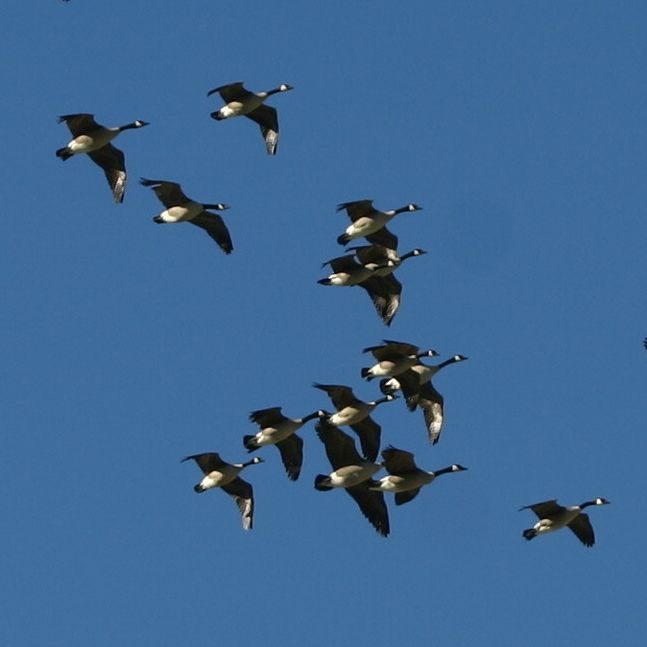
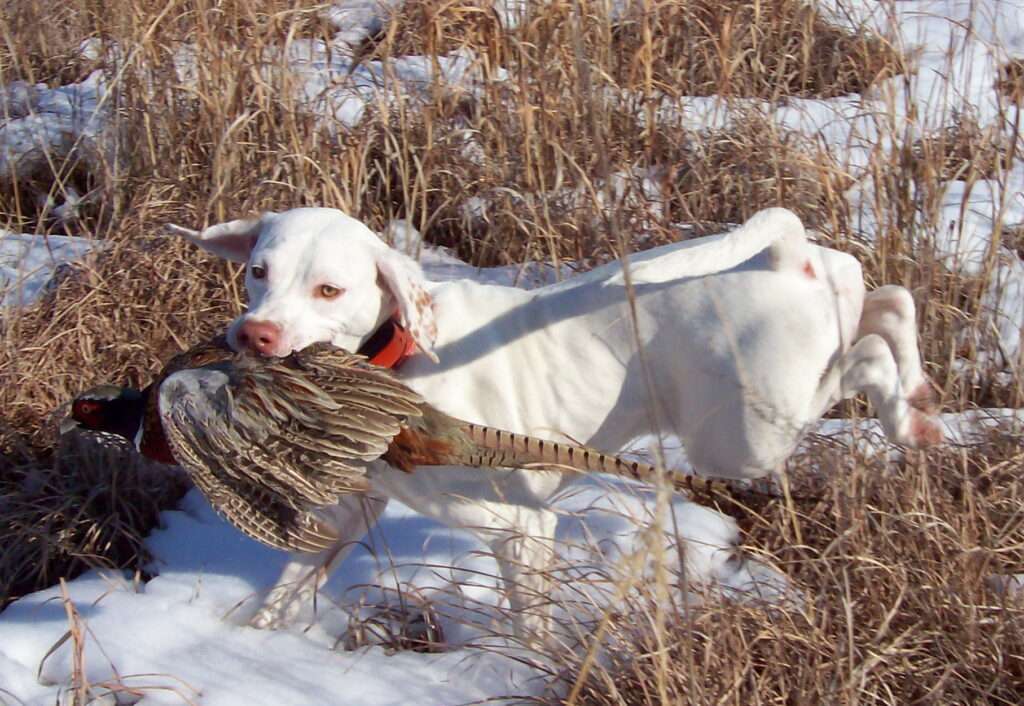
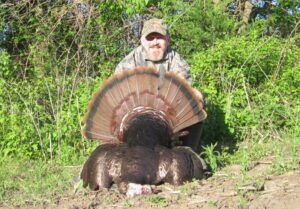
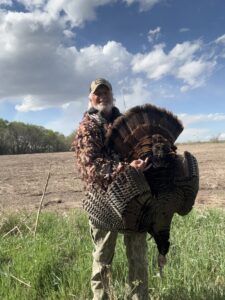
The Always Welcomed Member/Hunter FeedbackHey Jon, We are getting geared up for another season. We just wanted to thank you guys for the quality land you are able to lease. Attached are some photos from last years hunts. Thanks again. Andy and my brother Tom
Thanks guys for the great pictures of your fine season. The panoramic habitat photos should go a long way to show the seemingly little habitat that produces results.
|
|
|
|