![]()
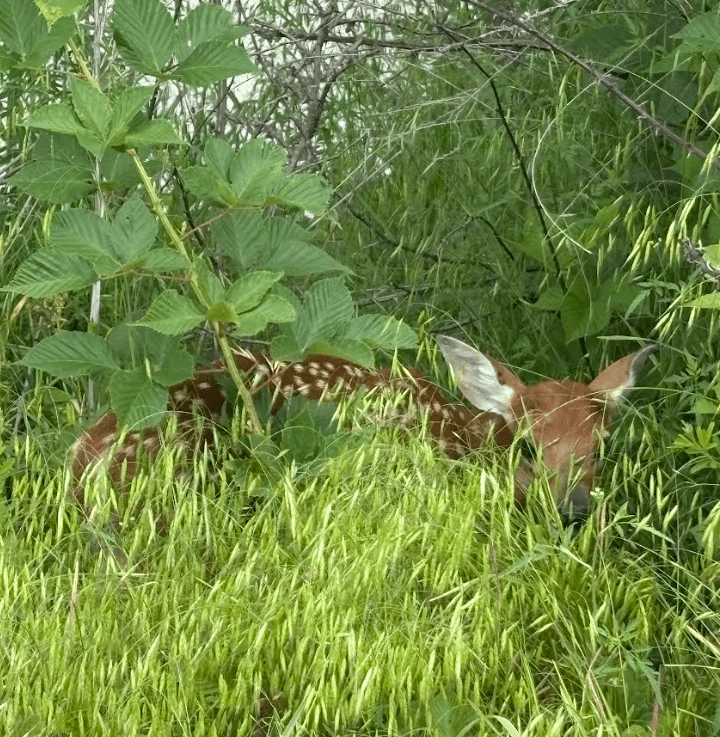
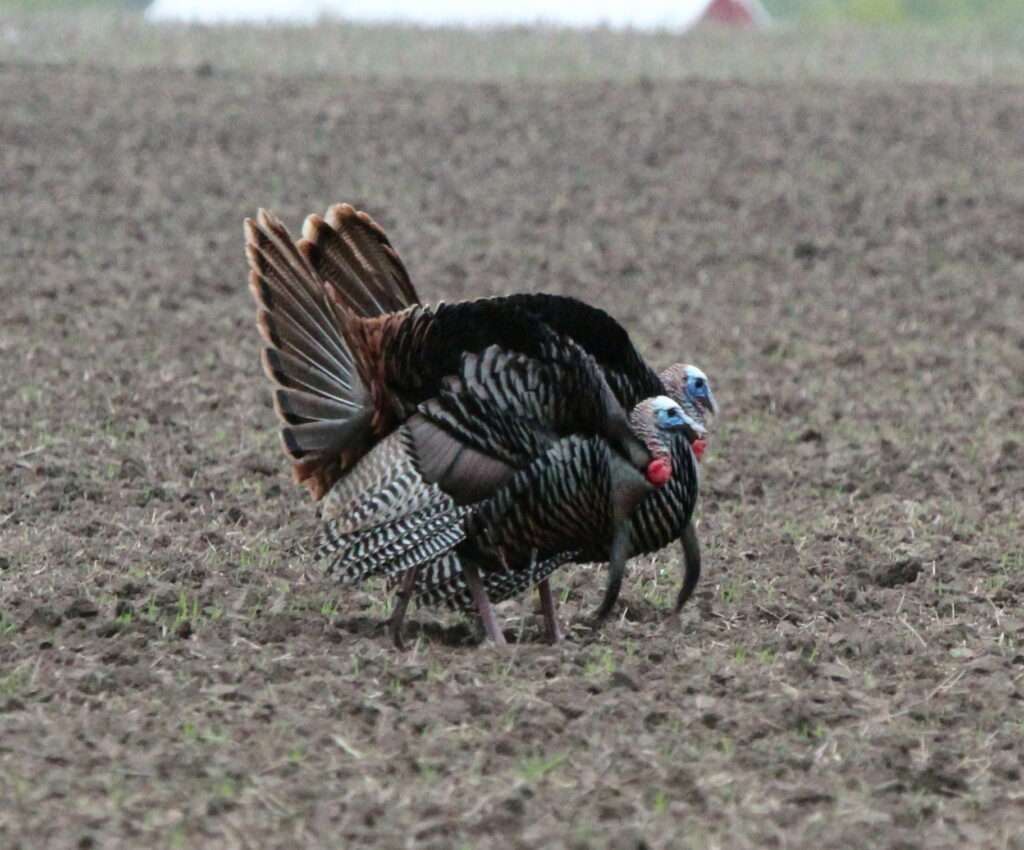
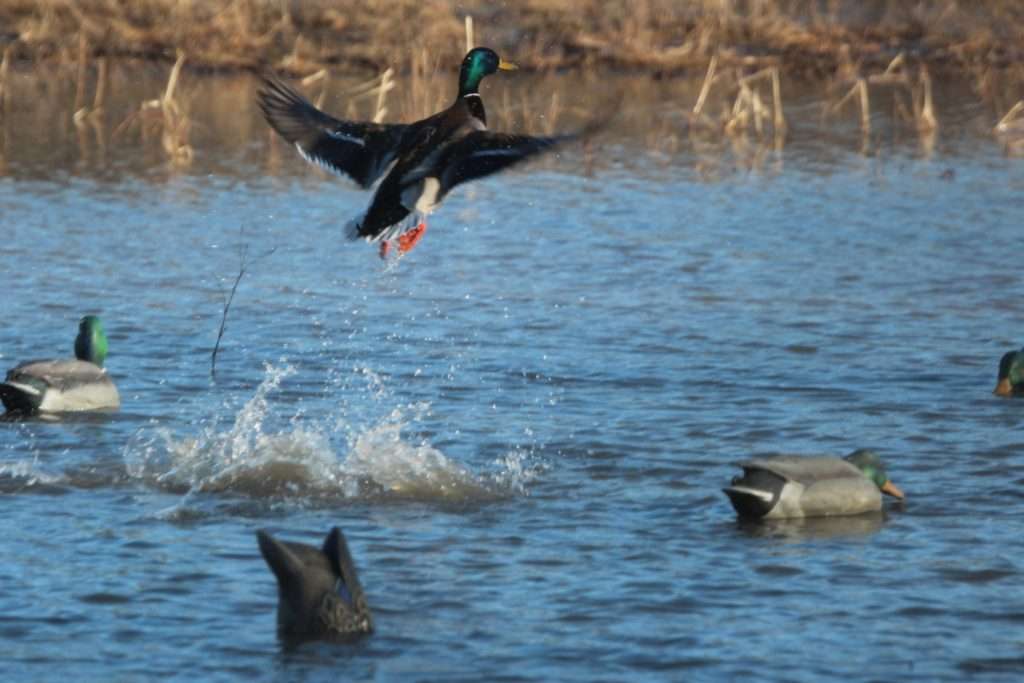
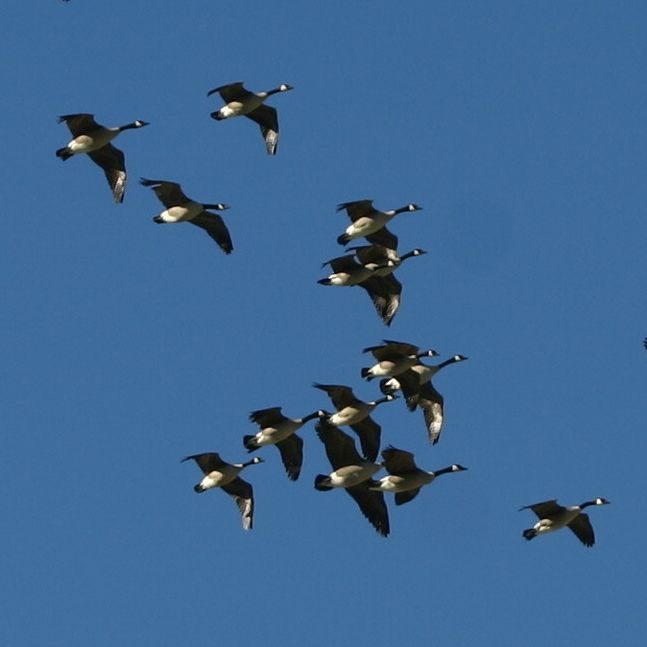
10 August ScoutingHey MAHA Staff, Just thought I would drop a note and some pictures. The summer scouting for me has proven to be awesome. So far I have four 140 class or bigger bucks spotted and hopefully the number grows. I could not count the number of what appeared to be good two and half year olds. As the summer usually goes, I have seen only three turkeys in all of my trips. The foliage is just to thick.
The only old picture in the group is a buck in the corn in late June. He was out to his ears with a couple of months left to grow. All of the other pictures are from August 4th. I used a 35mm camera with a 300mm zoom. I am a bit shaky on a couple and it is dark in a couple of others. I will have to work on quality pictures.
Enjoy, ae
Thank you AE for another member/hunter perspective more valuable than ours. We are sure many folks will study the habitat pictures. Good luck this season.
Missouri CRPThe 6 August update concerning a Missouri Farm Bureau request for Missouri CRP release for grazing and harvest has a post script where others to include the NRCS are reporting good forage tonnage indicating no drought motivated need to release CRP.
9 August Conservation - CRP Grazing/HayingMember feedback relative to what has happened in the past and will again as weather dictates.
Any release of CRP for grazing is determined by county specific area based on drought and quality of non-CRP forage in the immediate area. "To qualify [for drought emergency CRP release,] counties must be able to document a D3 class drought, which means the county has received less than 40% of normal precipitation over a specified period."
This drought emergency CRP release is separate from managed CRP haying/grazing that is allowed once in a three-year period with accompany lower federal payment for that year grazed or hayed. This managed haying is only for the more commonly known large field acreage CRP or what is called "Regular CRP" and does not include filter strips or grassed waterways which can not he grazed or hayed under any conditions.
"Another provision within the ruling states that producers in a county declared as an emergency haying and grazing for CRP acreage county can go outside of their county boundaries to find CRP acreage to hay or graze. In fact, they can choose to work with any cooperating CRP participant within a 210-mile radius of their county. However, it's a one-way street. The producer on the other end can't hay or graze his livestock. He can only provide emergency haying or grazing to the person in the county that has been declared as an emergency county for haying and grazing."
Their is risk to the CRP participant for grazing or haying in terms of degradation of the stand quality that may not meet minimum requirements at re-inspection for subsequent year CRP payment. The cause is that native grasses store the bulk of their dormant season energy in their above soil surface stems, typically not less than the bottom 8 inches of stem or higher. To harvest or graze below that level places that entire bunch grass at risk of not having sufficient energy to re-start growth come warm weather. That combined with the lower payment during grazing or haying either as managed or emergency conditions may break the out year profit margins for that CRP land that must be replanted to meet minimum CRP requirements.
The impact to the Association hunter is that we are well aware of all the conservation programs, participant decision criteria and adjust our contracting process accordingly. The value point is to have the right habitat in the right region and to get what we pay for. We do this work and the Association hunter simply hunts.
The Other SideHSUS started an information campaign against dog racing in Massachusetts trying to enrage the general public over the dog racing industry dog abuses. No abuses were specified only implied and details were largely left ambiguous. A dog association responded with facts and governmental inspections detailing how all facilities and operations associated with dog racing exceed standards of the common pet and agriculture standards to include climate controlled housing with individual dog compartments. Saugus Advertiser, Saugus Massachusetts, Wed Aug 08, 2007, Letter to the editor: Clearing up ‘misconceptions’, John O'Donnell, Henry Chin, Casey O'Neil, Representatives, Massachusetts Greyhound Kennel Operators and Owners The hunter point of view is that HSUS seeks to eliminate pet use by human in all forms and if they can get one type to fall victim to animal right all other forms to include hunting dogs will be eliminated.
Your Mommy Kills Animals, a film produced by the animal rights activists falls short of impacting viewers. YOUR MOMMY CAN'T DECIDE WHICH POINT SHE WANTS TO MAKE IN ANIMAL DOC[umentary], Brian Gibson, Vueweekly, Emotions 100% independent news and entertainment weekly.
"[HSUS] Hosted a conference on "taking action for animals"...focused on farm animals...animal protection movement's growing influence in agribusiness and cites 'a network of animal activists who have more control over America's dinner table than ever before'...." The Humane Society of the United Sates, Wayne Pacelle, August 8, 2007, Farm Animals Front and Center. The non-HSUS point of view is that efficient animal farming practices bring lower cost food to the average consumer. Efficient does not mean unhealthy as healthy food production simply means bigger profit margins and the motivation for farmers to insure food and livestock safety. To enact HSUS requirement will drive up local production costs making food more expensive for all and over seas' competitor (to include countries that do not have government controls such as USDA requirements like China) prices all the better.
8 August Turkey, Fishing, Family Fun
Thank you Kyle for allowing us to share your thoughts. We take each letter as a report card on MAHA performance. We have added your lodging recommendation. Good luck with family.
Upland Bird ForecastWe may not have adequately advertised that our upland bird forecast is a living forecast meaning it is a set of year round contiguous checkpoints where each subsequent checkpoint refines the earlier assessment. The 2007 upland bird forecast while having its basis in the 2006 - 2007 end of season carry over assessment has since been updated from May 2007 and several times since then through this week. Those that are interested are advised to check the 2007 upland bird forecast web page through the remainder of this year rather than wait for checkpoint updates on this update page. Checking the 2007 forecast web page itself corrects past efforts at posting forecast updates on this page having led to incomplete understanding by the readers that have failed to put such update snapshot data into perspective of the year round observations.
Filter StripsMember feedback on the earlier filter strip update shows interest at more fully understanding farm economy and hunt quality.
Filter strips are economically viable for farmer conversion from row or grain crop use more so than large contiguous CRP acreage. (The terms row crop and grain crop are interchangeable meaning annual grain producing farm land use. Row crops are contrasted to forage crops such as brome or alfalfa that are not grown in rows, not annual crops and not grain producing.) The economic limit of this crop ground to filter strip conversion is the motivation why farmers prefer the minimum program width to that of the maximum width allowed. The minimum width is better for farm income and the maximum width better for hunt quality enhancements. The underlying cause is that boarder areas of crop fields adjoining woody cover along wet and dry drainages suffer degraded crop production, meaning less bushels of grain income than cost of planting, fertilizing herbicide, pesticide and harvesting costs due to tree roots drawing off available ground moisture and nutrients and toxins from leaves dropped by woody plants frequently inhibit grain crop production. That margin of degraded crop field production is then limited to the distance or range of woody root growth and leaf dropping, a narrow band. To covert grain fields to filter strips beyond that narrow band would adversely impact on the farmer's profit margin as filter strip payments are less than the grain profit margin.
Accepts this explanation or not as it is the perception of the decision makers in terms of crop land to filter strip conversion.
WaterwaysA continuation of the filter strip program feedback concerns waterway ground cover. Waterways are the commonly grassed rain runoff controls installed within a crop field. The common grass used is brome that builds sod, pioneers and prevents soil erosion. Brome from the hunter perspective is largely useless as a hunt quality enhancement as it provides little to no food or cover. Those hunters that seek MAHA to require as terms of the lease contract that landowners plant waterways into native grasses to enhance hunt quality simply do not understand the nature involved.
Native grasses are above soil surface crown bunch grasses that do not build sod. Sod is thickly rooted soil at the surface, what brome achieves with root pioneering spreading of new grass. Native grasses, do not root pioneer, have deep running thinly rooted above soil surface crowns that deflect rain runoff creating erosions causing rivulets rather than absorb rain runoff and do not build soil sod surface strength to resist water runoff erosion. To plant a waterway in native grass would enhance soil erosion and defeat the purpose of the waterway.
7 August Iowa Pheasant Summer ForecastIowa State DNR concurs with our winter carry over and spring nesting and brooding rainfall data. Pheasants were down last year in Iowa and Iowa did not have favorable brooding weather this spring. That combined indicates that Kansas will once again exceed that of Iowa in better pheasant hunts.
UPLAND GAME NESTING OUTLOOK, Todd Bogenschutz, Upland Wildlife Biologist WEATHER QUESTIONABLE FOR GOOD PHEASANT NUMBERS THIS FALL "Iowa pheasant hunters could see variable bird numbers this fall, thanks to different weather patterns across Iowa. Todd Bogenschutz, the Iowa DNR's upland wildlife biologist, uses a formula based on the previous winter snow fall and spring rainfall and temperature to predict this falls pheasant population....The weather we’ve seen in... southcentral...Iowa suggests bird numbers will be lower or unchanged from last fall... Putting all this together, Bogenschutz' model suggests that, “from a statewide perspective”, our pheasant population could be lower than last year. Though the weather data is correct about 75 percent of the time..." More Iowa, Missouri and Kansas pheasant and quail forecast details
6 August DeerTypical this time of year to find deer feeding on beans. This should continue as past years until the acorns drop and the beans begin to yellow in mid to late September. By the last weekend in September rubs start to show and the pattern all changes.
These are late beans planted in wheat stubble.
CRPMissouri Farm Bureau seeks emergency haying and grazing. Brownfield Ag News For America, Monday, August 6, 2007, by Julie Harker,
Interesting non-drought release request for a state that does not have much CRP acreage and release would not add that much forage avilability. While four year old and older alfalfa fields did suffer and mostly were killed off by the April freeze most alfalfa fields three years and younger survived just fine. As far as grass forages, while set back by the April freeze they were not killed off and produced good tonnage. Further, last year's high hay prices motivated many to increase forage harvest acreage this year. A CRP release would only adversely impact the good hay prices the more effective producers are currently getting for their hay. The Missouri Farm Bureau seems motivated by other factors than supply and demand of a capitalistic society. Their actions further fail to realize the hunter dollars CRP acreage, that is standing CRP acreage, brings into the surrounding communities as hunters purchase fuel, meals and lodging.
Fortune smiles on area's hay farmers, Despite challenges, yield likely to be best in years., By Mike Penprase, News-Leader Springfield Missouri. "...although a late freeze hit fescue and the first alfalfa crop, southwest Missouri farmers are faring well when it comes to raising hay and other feed crops for livestock....we're getting a pretty good second crop, even on grass, he said. Some areas, it's going to be a lot better than last year...Natural Resources Conservation Service district conservationist Montie Hawks was enthusiastic when it came to assessing this year's hay crop....Grass has been growing like crazy around here, he said. Hay isn't going to be a problem in the area."
Kansas Transfer Deer TagOne Jewell County, whitetail either sex, archery tag for $500. Call Jon Nee at the office.
|
|
|
|