Duck Hunting 3

Choices

Goose Hunting

Missouri Duck

Wetlands

Kansas Ponds

Duck Blinds

Administrative

Costs

About us

Hunt w/Us

Residents

Of our resident waterfowl primary interest members most will hunt the wetlands that have the shortest driving distance rather than selection of wetlands by habitat type (flooded crop, timber, mash, open water).

Topography drives the majority of our duck hunting to Missouri with Missouri's large amount of natural watersheds and manmade water surface.

For these members their season is strongest at the first half especially that part before Kansas pheasant season opens. After that, waterfowl reservations follow the strength of the migration that is easily detected through casual observation. Peak migration may see as many as half the blinds occupied and lows finding most duck hunters out in the pheasant fields.

A slight diversion of the local waterfowl enthusiast is the small group that find their fun on the watershed lakes and farm ponds rather than on the wetlands. While the effort may be focused on duck hunting other opportunities exist for goose and upland bird on the same property as the water body.

These hunts are unstructured in terms of no numbered duck blinds or wade-in areas.

On farm pond duck hunts these hunters reserve the entire pond, setup as they see fit with quick to erect or no blinds and a dog or canoe for retrieving.

These hunters while most concentrate of ducks also seem to collect the most geese during the season as well. This is through hunting on the farm ponds surrounded by large crop fields with both located just outside of one of the many waterfowl refuges that dot the Missouri River Basin portion of the Mississippi Flyway.

A example of one or our blinds after teal and before regular duck season.

Looking from the far edge of the shooting pool back to the blind in the center of the picture.

From immediately in front of the blind. This one happens to be a dry land walk up and hip to chest wader (chest recommended) deep shooting pool. That is Bruce Johnson the MAHA wetlands primary demonstrating the split flip top that covers the front of the blind.

The blind from the rear.

Interior of the blind showing the bench seat running the rear length of the blind. the center vertical roof support is evenly spaced between the split flip tops.

Hunts

By now our approach to duck hunting should be clearly established as self guided duck hunts for the do it yourself hunter. However, we will not let the new to the Association duck hunter flounder. We will get him to the wetlands habitat of choice and provide the local lodging options. And, that is as far as we take it. We get him to where he needs to park his truck, the duck blinds, wade-in or layout boat area and once there the rest is up to the duck hunter.

Non-residents

Amongst non resident duck hunting members that also have a strong secondary interest they will pick where to duck hunt based on the secondary interest most notably be it upland bird with a preference for pheasant. Again, this decision is not based, as we cited earlier under other conditions such as wetlands habitat type. An approach along the lines of getting as much bang for the buck so to speak from each trip through combining a pheasant and duck hunting trip.

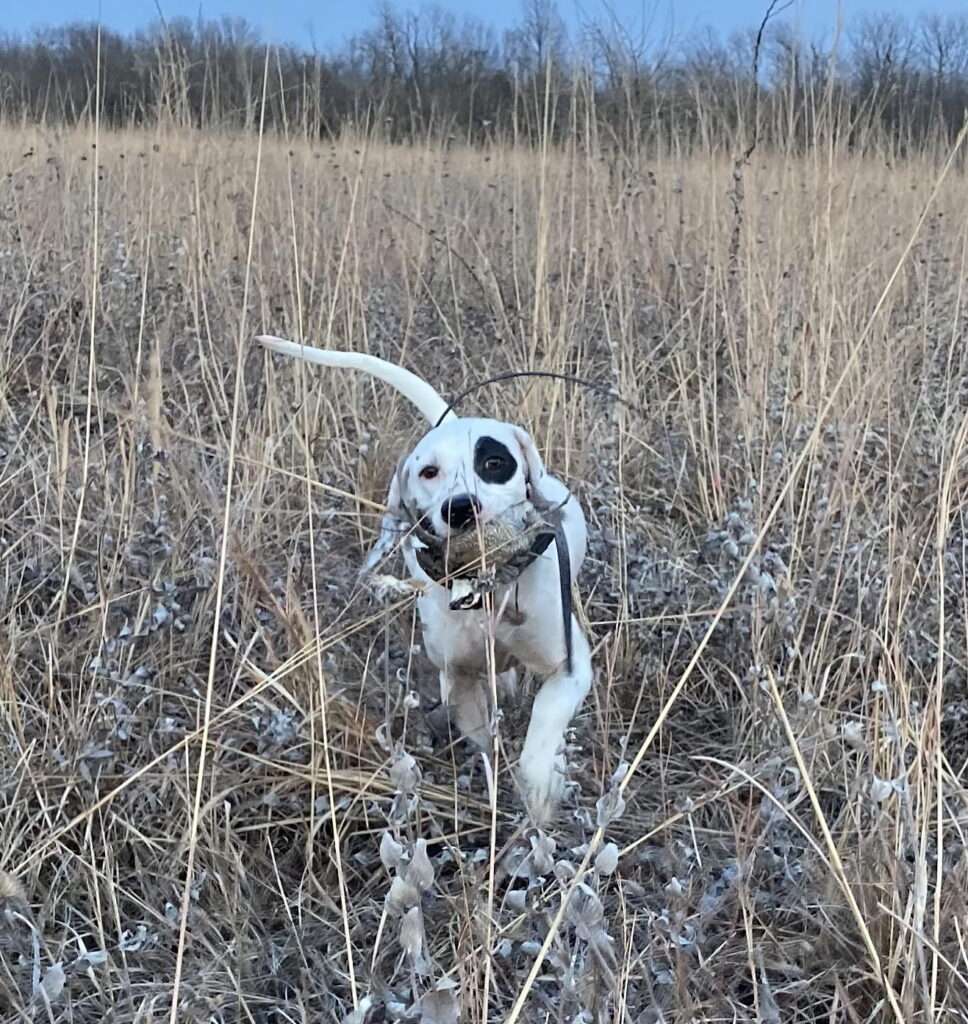
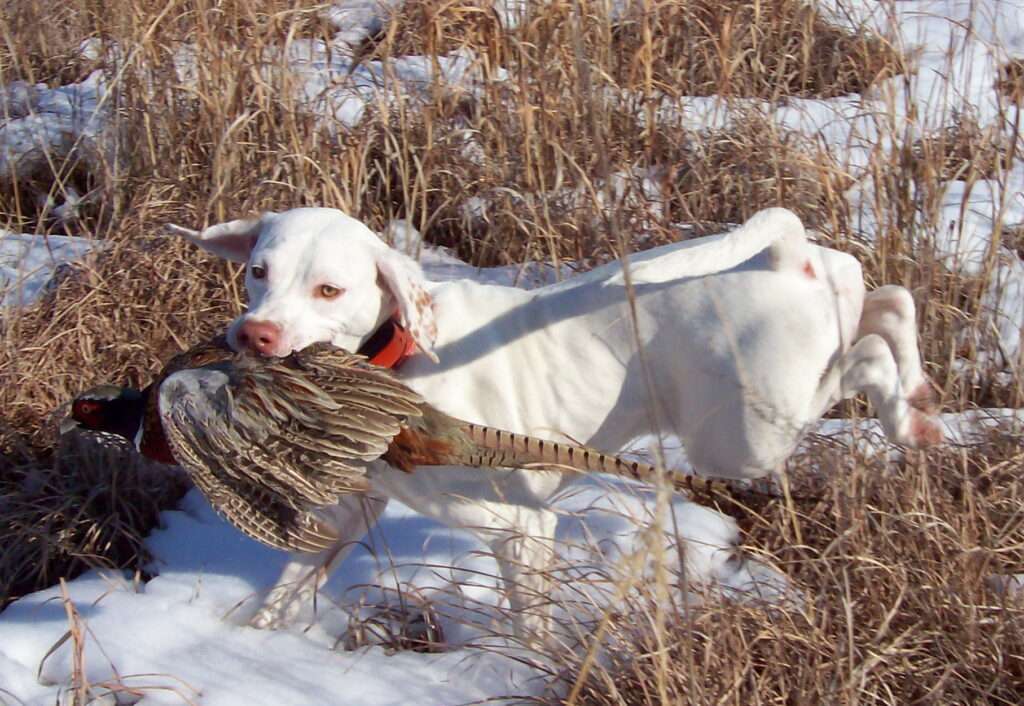
These dual interest duck hunters find that their retriever will work as a pheasant flushing dog the best within the tall prairie grass regions. This thick grass has influence over the flushing dog to work closer to the hunter and make for a more enjoyable hunt.

For those that travel our way only to waterfowl hunt they select a wetlands based on habitat type and either our northern or southern wetlands dependent on water conditions. These hunters concentrate on ducks and goose typically as a sideline.

The most frequently heard comment from these do it yourself duck hunters is that in their home state they are limited a smaller number of hunt location choices more often than not returning to the same spot and water each time out. These hunters find the many options we offer to be a reward in itself being able to be in a different duck blind or on a different wetlands type each time on a hunt.

Read more about our duck hunting