![]()
26 February 2007 Duck SeasonWater and food conditions for the 2007 season were above average, but several marshes in the Middle Zone that were planted didn’t completely fill until late season once the harsh weather moved in.
In Linn County, we moved our holding water to the north pool on the west marsh only to discover the beavers burrowed a hole through the levee, which wasted 2 days of free water flow. The levee has been repaired, but we lost a week of prime hunting from blind 8 and the wade-in area that replaced blind 7.
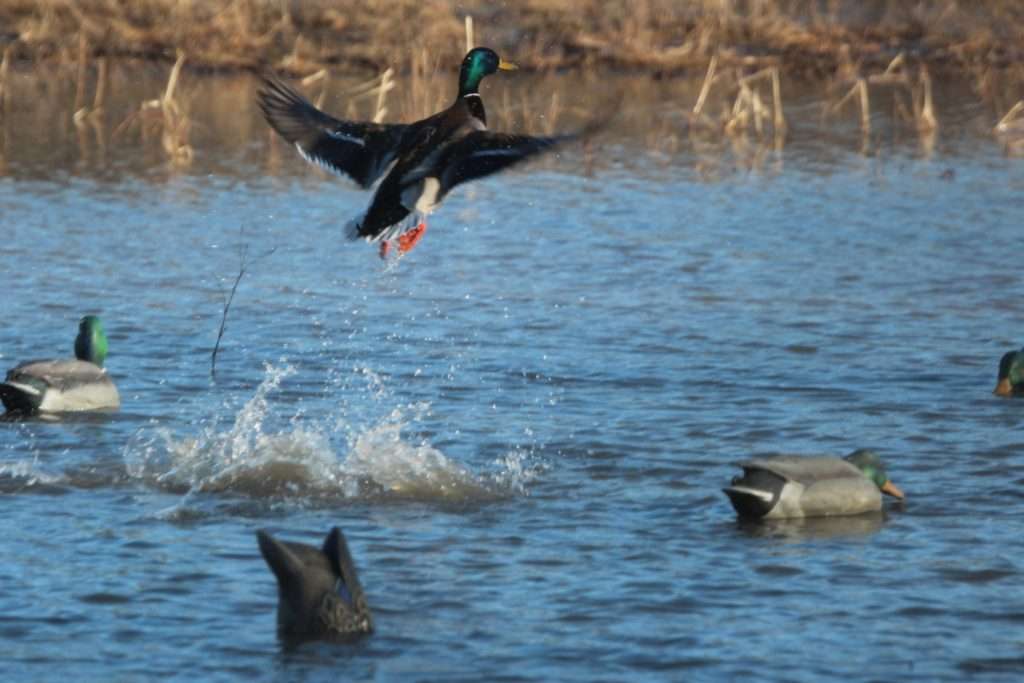
The hunting was good early with a variety of small ducks and mallards. Once the marsh froze the bulk of the members migrated to the Middle Zone, but those that were willing to break ice enjoyed some good late season mallard hunting.
Early last summer, the Missouri River bottoms in Holt County were struck by several rounds of major floodwater that destroyed thousands of acres of crops. After 2 previous attempts, our landowner in Holt County made the decision not to re-plant the low laying duck marsh. We jumped on the opportunity to plant the marsh area in millet and milo, which was a three day, four wheeler planting project. Once the seed was planted, the rain shut off for over 30 days. Our end product was 80 acres of 6 foot tall noxious weeds on 200 plus bushel corn ground. Needless to say, the landowner sprayed the weeds and only a small amount of millet survived, but there was plenty of weed seed for the ducks. Opening week wasn’t as action packed as it’s been in the past, but it picked up as the cold weather moved in. The week prior to Thanksgiving, a local electric company was repairing power lines that were damaged by the floodwater. They accidentally blew the electric motor that runs our pump. The ground slowly soaked up the water to the point the marsh was barely huntable throughout the Thanksgiving weekend. The motor was replaced and the marsh was pumped immediately, but shortly thereafter the water froze tight and the hunting was tough.
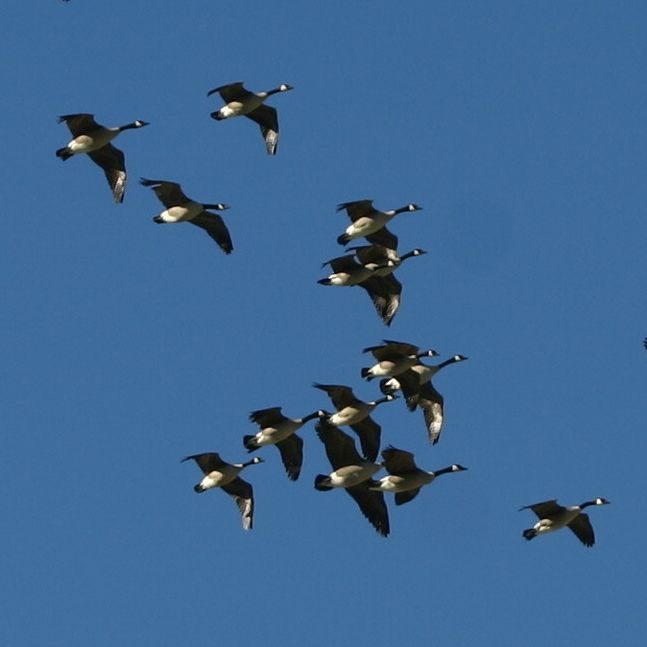
Despite the frigid weather conditions, the Middle Zone wetlands, irrigation, watershed lakes and stubble fields were productive, especially for the hunters with the gear and expertise to adjust to the fluctuating patterns of the birds. The best hunting as far as total numbers was the first three weeks, with the majority small ducks, wood ducks and divers and the last three weeks, with the majority mallards, Canadas and white geese.
|