![]()
11 February More Than Hunt
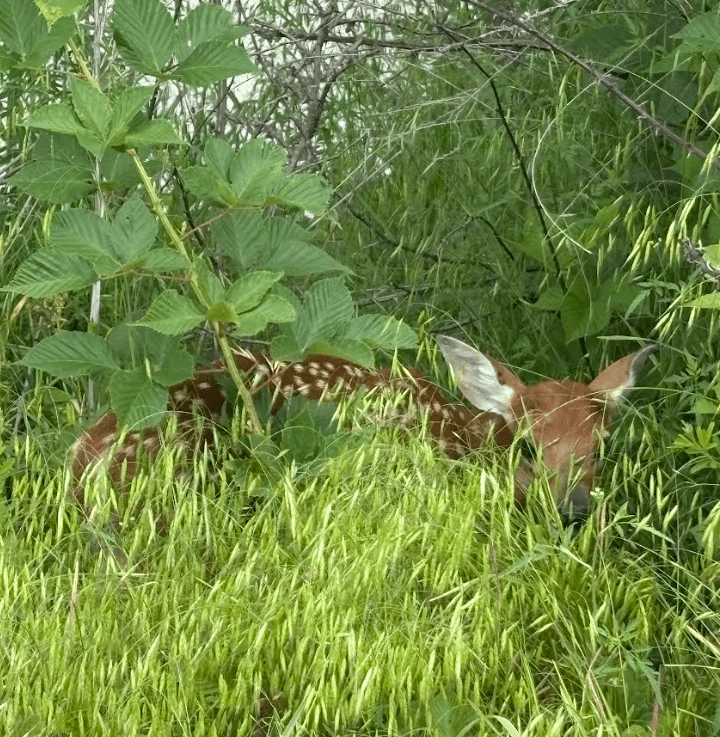
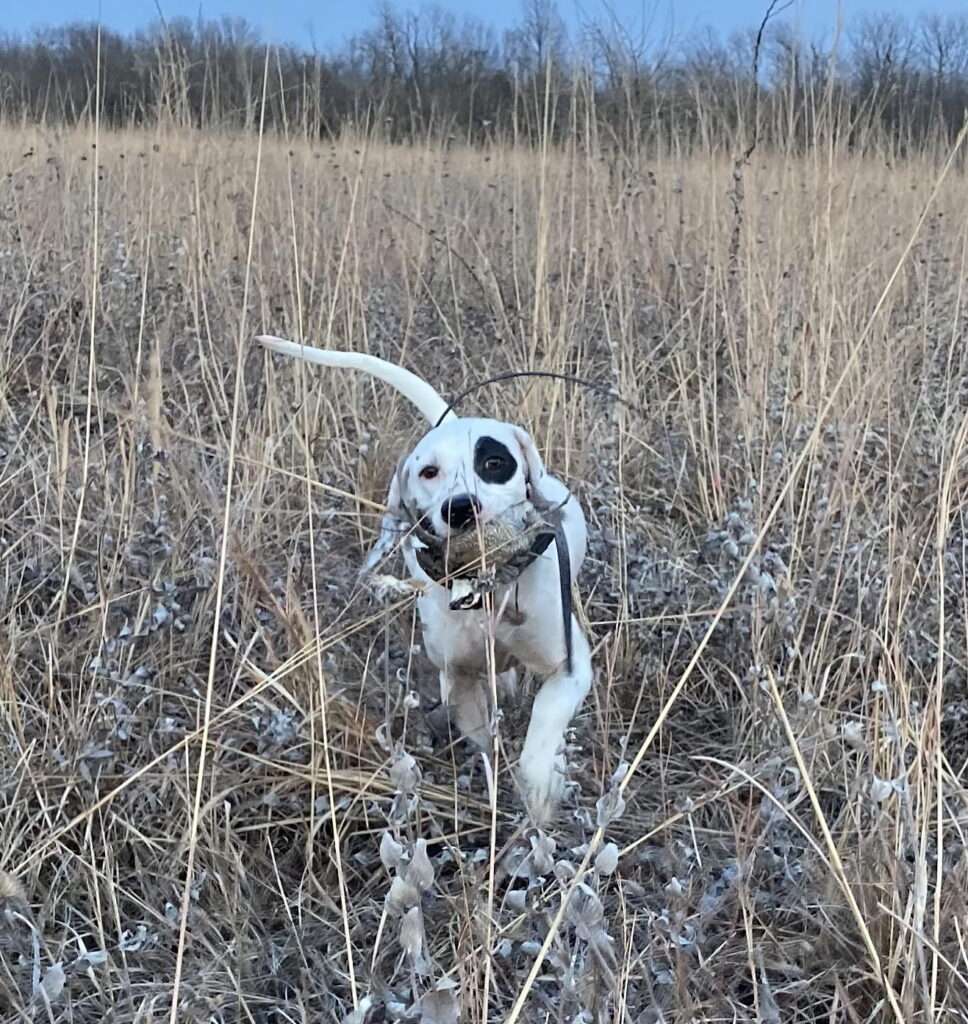
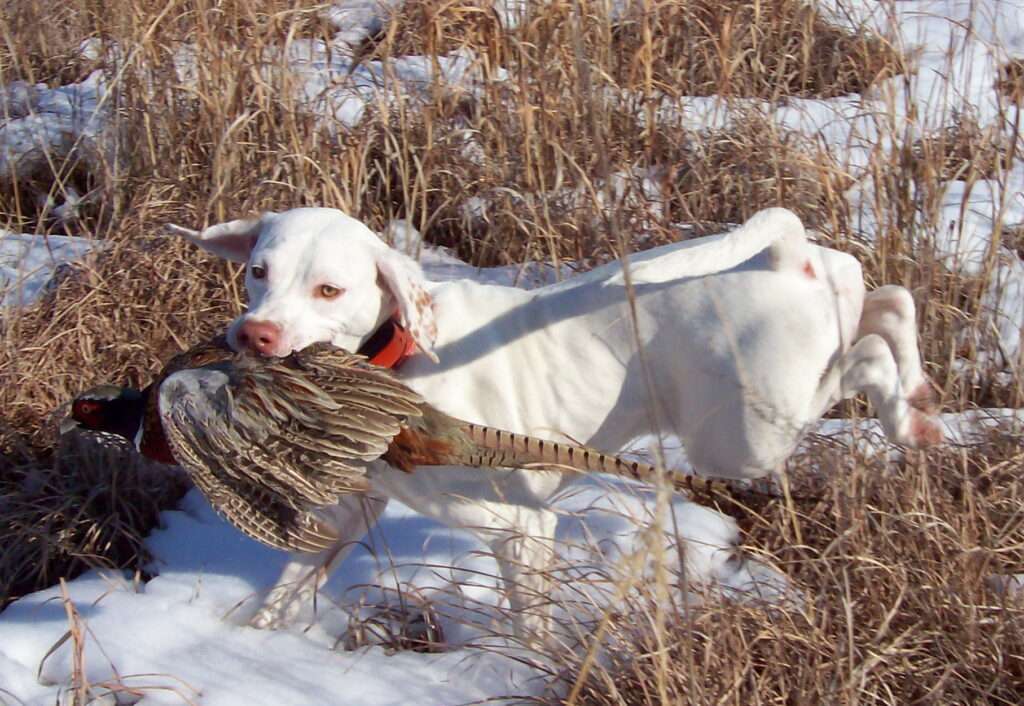
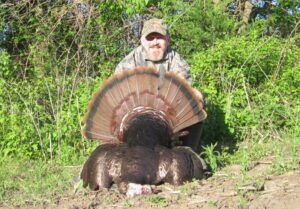
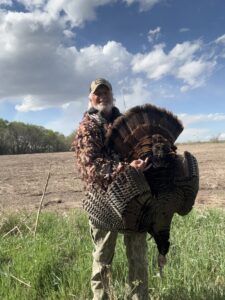
From a member that knows more about Kansas Mule Deer than any one else we know.
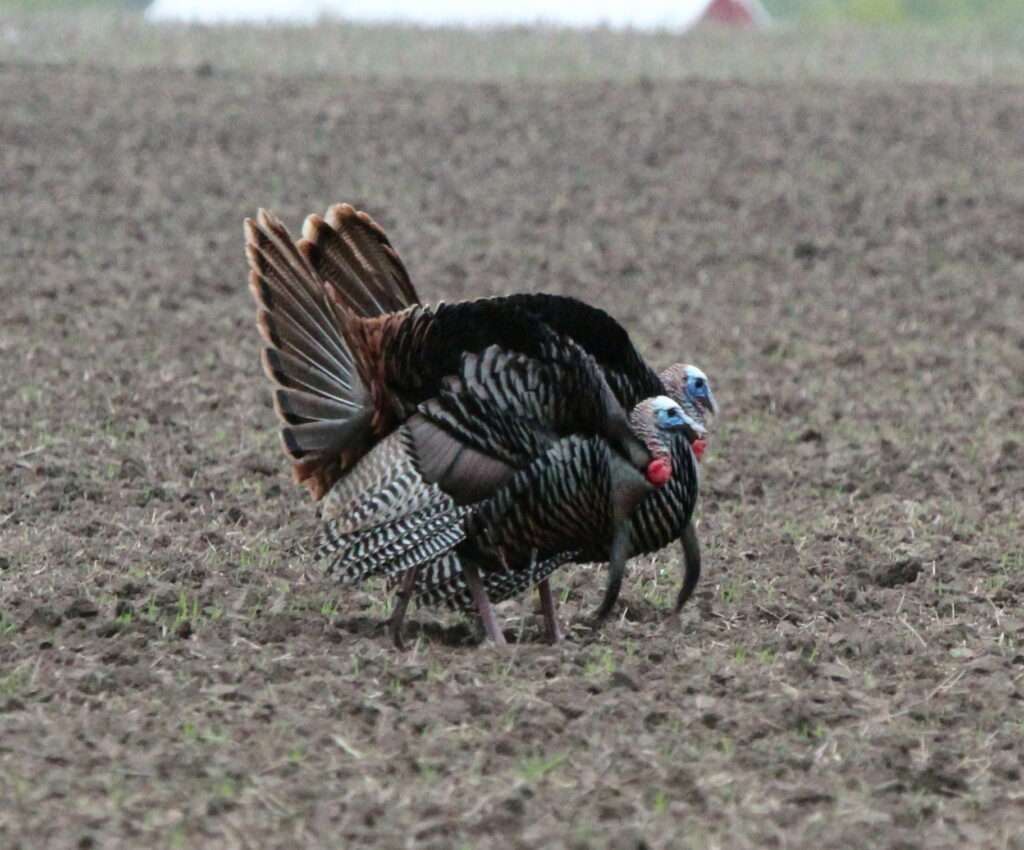
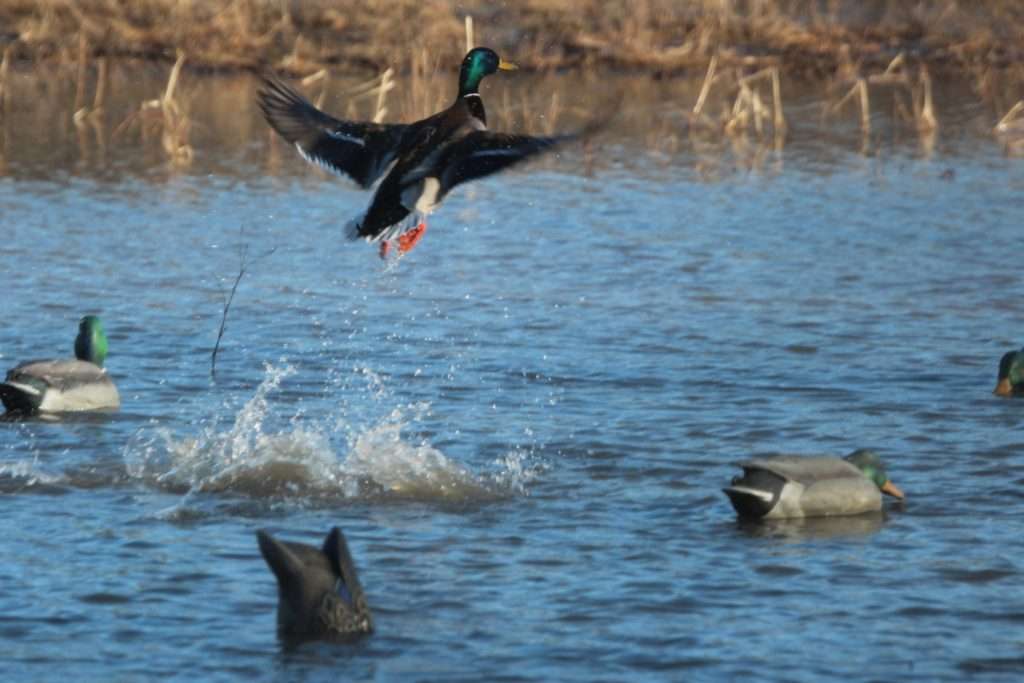
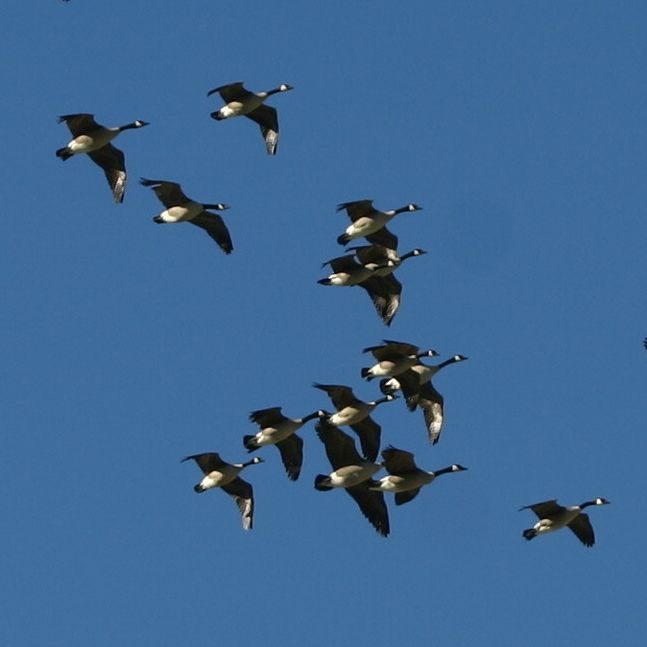
He enjoys his camera as much as his gun passing on many that most would like to see.
He has earned his success and he has had much with a quick response his enjoyment is the hunt not tags and bags.
Good luck, thank you for all the pictures. More to come.
10 February Gulf Dead ZoneA low level but consistent effort amongst some environmentalist may lend second order effects that enhance our hunt quality. Agriculture runoff is largely to blame for the annual algae bloom in the Gulf of Mexico at the Mississippi River outflow. That outflow of agriculture nutrients creates a dead zone of dissolved oxygen consuming algae that displaces fish. This zone has been measured from year to year and has/is on a glide path of increasing in size. With grain prices high and likely to continue to increase, agricultural runoff will increase as well. The environmentalist effort is to influence current farm bill committee efforts to reinvigorate agriculture runoff control requirements beyond voluntary enrollment. Part of the discussions include buffer zones of tall, warm season grasses along farm fields. Every deer, turkey and quail hunter should consider supporting this effort with letters to their congressmen. This is one point that hunters, Gulf Coast and Mississippi River Watershed recreational fishing industry and environmentalist can agree on.
The US Sportsmen's Alliance has a page to help anyone find and write to their congressmen: http://www.congressweb.com/cweb4/index.cfm?orgcode=ussa
Related to the above issue are carbon credits from carbon sequestering best accomplished by warm season grasses. The more acres in grass the more carbon credits the farmer can sell. In short another payback to the farmer for no more additional work than reporting his grass acreage.
Carbon credits also include no-till crop land. This of course further benefiting our hunting quality through keeping waste grain more available to wildlife later through the winter compared to clean till farmers that frequently fall till burying waste grain.
The current market rate for carbon credits range from $2 - $3/acre. The small farmer that has 1500 acres of no-till and grass will find that an extra $3000 to $4500 easy money for no more work than he is currently executing on no-till crop land. Grasslands are of course subsidized through the Farm Bill. Large corporate landowners all the more so gain benefit from not much more effort.
Grain PricesThe Kansas City March contract [Wheat] jumped the daily limit of 30 cents a bushel to a record $11.40¼ a bushel. At the Chicago Board of Trade, the March futures contract advanced the 30-cent limit to a record $10.93 a bushel, and the Minneapolis March contract jumped the 30-cent limit to a record $15.53 a bushel. Feb 8, 2008. February 2008 Updates page 1 2 3 5 6 7 8 9 10 11 12 13 14 15 |