![]()
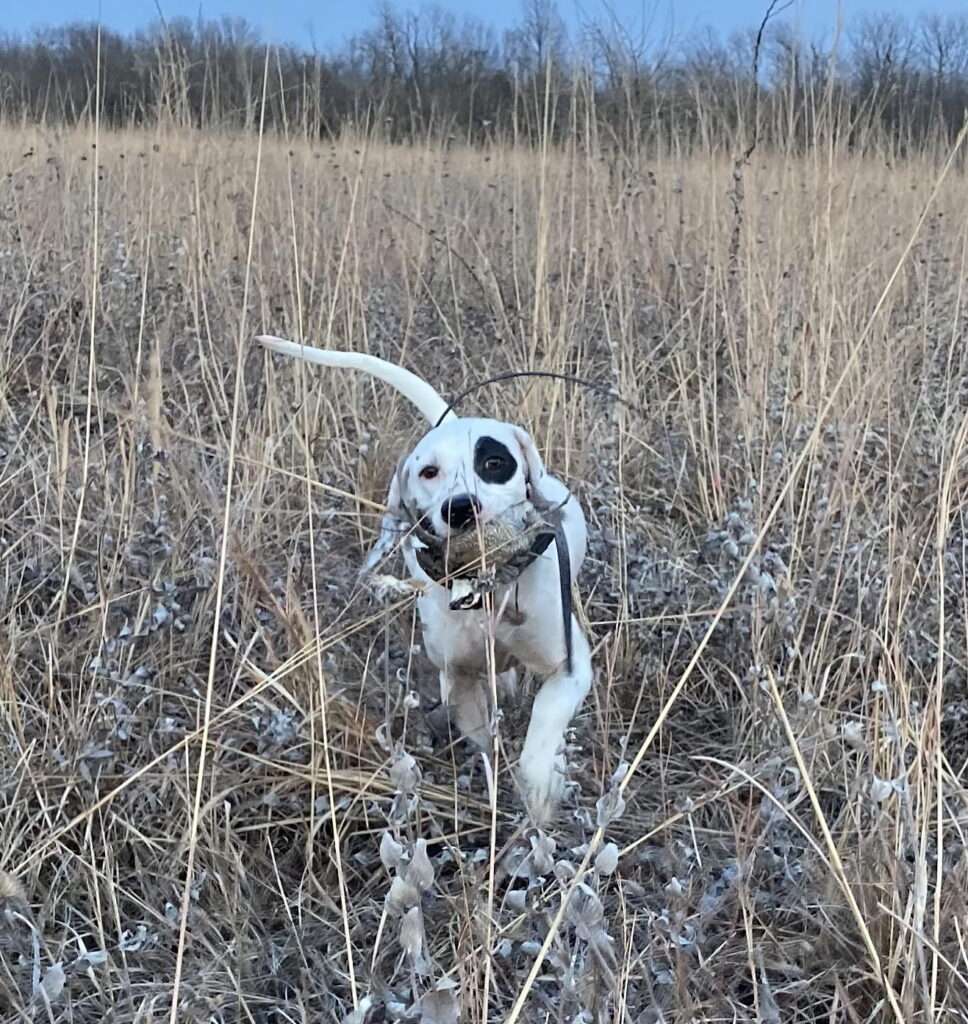
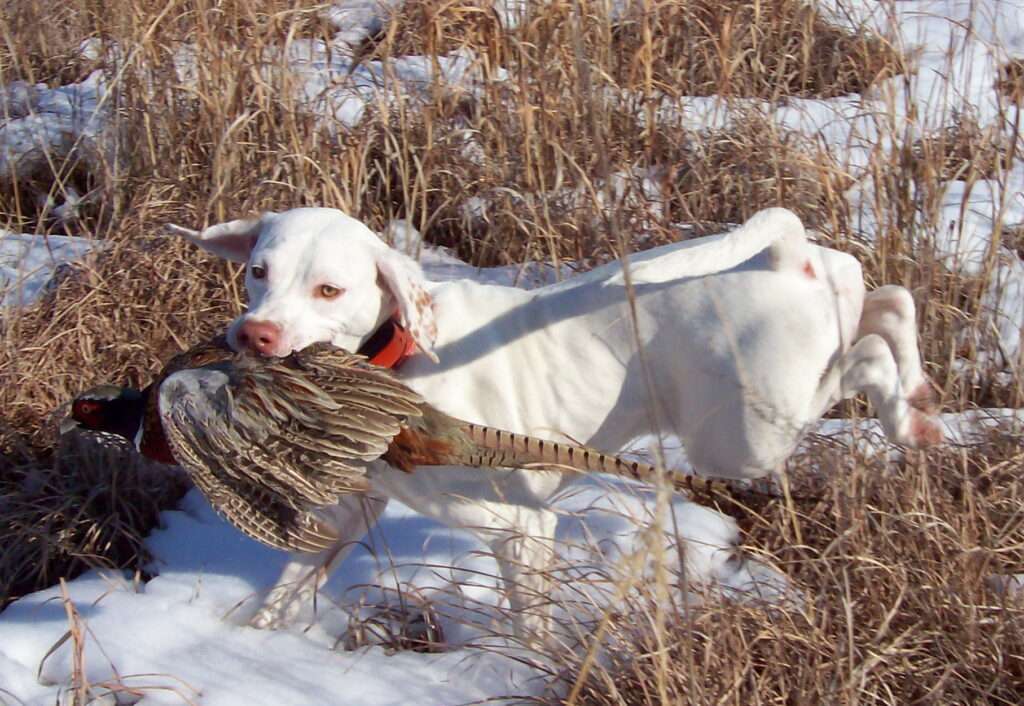
13 February QuailA continuation of an earlier picture series that should rekindle past hunt memories for bird hunters of their hunts and special dogs.
How often we all have had a dog flash onto point in cover so thin the expectation of being able to see the bird on the ground is high and always a disappointment as is a missed shot in such open sky shooting . A singles point well after the initial covey flush. And, a father who is more intent on capturing fleeting moments of his son that will soon become all the more rare as college, careers and new families take priority. The hope is always eternal the son will rejoin the father long before that father becomes too old to train a pup and walk miles of field.
Bird hunters of their own family dogs and hunting companions feel more strongly that satisfaction and enjoyment of being in the field as the feelings of regret at the season's closure. Such emotional swings may equal that of any manic depressive with the benefit of gaining that satisfaction of having hunted enough while looking forward to the next season even when reviewing pictures of the past.
FutureWhile trying to keep an eye in the future to make better decisions in the now the University of Nebraska at Lincoln Switchgrass study continues to gain attention well after its initial release. The continued attention has two interesting aspects.
The first aspect that seems of interest is that no one or group disputes the Nebraska study. All accept that Switchgrass ethanol produces 540% more manmade energy than required to grow, harvest and make the ethanol. Being a perennial that efficiency rating increases in out years. Also, that Switchgrass being of the prairie classification will grow on poor soil and requires much less annual fertilizer than grain crops. Switchgrass also has a deep root structure that insures some level of crop regardless of drought in most areas where grown giving more reliable expectations of income than grain. All of that makes it more likely a crop of choice for any area not now in grain crop, most notably inclusive of the wildlife areas we current lease land to acquire.
The second aspect that is known by its absence is the lack of follow up to transition the study results into consumer production. If there is any effort in this regard it certainly does not get any press time. It is assumed that should Switchgrass become viable as a consumer production ethanol source it would displace grains in ethanol production.
Some farm promotion groups attempt to sell the idea that Switchgrass for ethanol will be an enhancement for wildlife. Citations that increased grasslands acreage benefits all wildlife accompany just about every published article. What is not discussed is that grasslands have different qualities and those different qualities attract or displace specific species of wildlife. Grassland acreage is not the point to focus on. Switchgrass grown for ethanol is grown to be cut, not grown to enhance wildlife. Eight inch tall grass stubble serves little for cover and Switchgrass is not a food source for any of the hunter desired species.
Dis-information does occur in other farm promotion material and has shown up in the Corn Growers Association informational material. The corn growers want readers/listeners to believe that increased corn acreage will not cause the decline of pheasant and quail. They cite that corn stubble holds pheasants, provides food of waste grain and the edge cover supplied by buffer strips completes the pheasant reproduction and during season hunt requirements. Pheasant hunters will counter that if given a choice between a quarter section field of contiguous tall warm season grasses is far more acceptable and desired to hunt than any 1000 acre corn field. Quail hunting, if the edge cover has nesting and winter over cover, is less affected by increased row crop acreage. That "if" part being the crux as farming efficiencies have eliminated most of that spring and winter cover quality that both must exist within a short range, typically 10 acres or less, of a regular year round food source inclusive of bugs, greens and not just grains.
The analysis is that any special interest group is hyper sensitive on any issue that attacks its core beliefs and seeks to minimize all core belief contrary information. A second analysis is that in spite of the fine efforts of conservation groups at the local and national level they are competing against a majority that are out to earn their income at the cost of other concerns. MAHA fits into this equation as landowners realize our hunter dollars are spent on wildlife habitat quality of any farm and not crop ground quality. The future MAHA challenge is how to find enough of these wildlife capable farms in a declining resource pool. The answer of course is more money will be spent. February 2008 Updates page 1 2 3 4 5 7 8 9 10 11 12 13 14 15 |