![]()
July 18
Essentially, whenever we have less than 10 inches of combined rainfall for the critical hatch and brood months on May and June we have a higher chick survival rate and subsequently more birds for that fall's hunting. We have tracked every environmental factor we could to include summer heat, winter snows, etc., and the only factor that correlates to more or less birds in the bag has been the May-June rains. This year's rains indicate that we will have a good season based on the 2002 rains being less than 10 inches as compared to the cause and effect from the previous years dating back to 1994 when we started tracking this level of information. Pure statisticians will debunk this chart for it does not take into consideration the number of days hunted for the birds in the bag, quality of the hunt due to weather, dogs, shot opportunity etc. Real hunters will say this chart is entirely accurate as it does take into consideration the restricted hunter days available due to vacation times, lost days due to bad weather and the reality that all birds shot at do not end up in the bag. What we found interesting as well is how fast the rebound was after just one good spring. Again accept this chart as just one indicator, it happens to be the indicator we found to be most indicative of our potential hunting satisfaction. This year we are anticipating a good bird hunting season. July 17
July 15
July 11
July 8
July 5
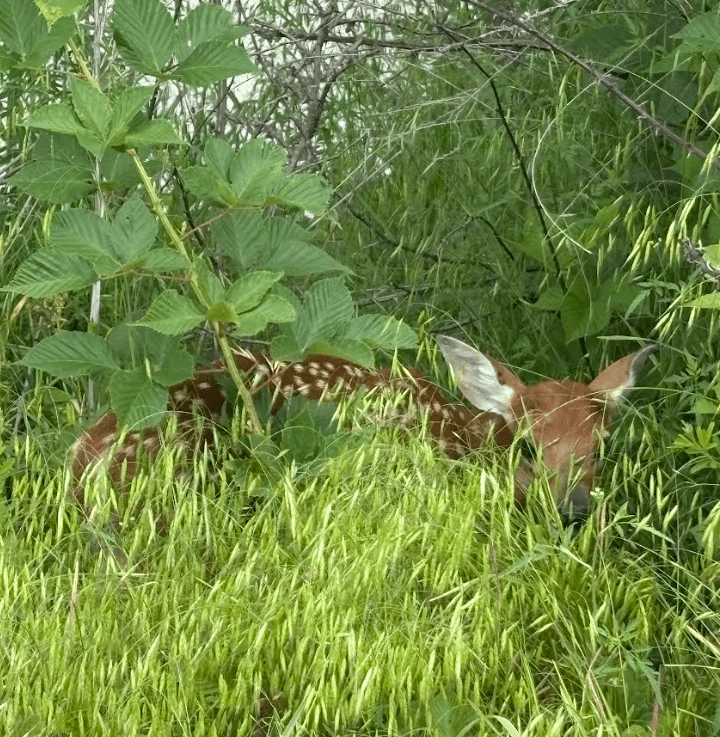
The answer why there are two tags seemingly the same is the "Any Deer" allows the harvest of Mule or Whitetail on the same tag where as what may seem obvious now the "Firearms Whitetail Either Sex" is for whitetail only. These tags are also separated by deer management units with the "Any Deer" tags in those regions of the state where Mule Deer populations exist.
July 3
If there are members that would like to help with our digitizing program and who would achieve hero status if successful is the effort to change the Kansas, Iowa and Missouri State DOT maps into an Adobe Illustrator easily editable format. All previous efforts at this have failed. The main cause of failure has been when the DOT digital map was translated into an file extension suitable for Adobe every line (thousands) per road became an individual object making it impossible to modify as in changing its color for example. Color translation was another failure point as some of the map features became very light in color making it unreadable for print copies. The reason for using DOT maps is that they are the only digital maps we have found that show road surface conditions (necessary for route planning during wet conditions) and bridges and cemeteries (necessary landmarks for the vast road areas that have no names or numbers). Delorme, Maptech, and several other digital systems have been tried and they do not have the three elements aforementioned.
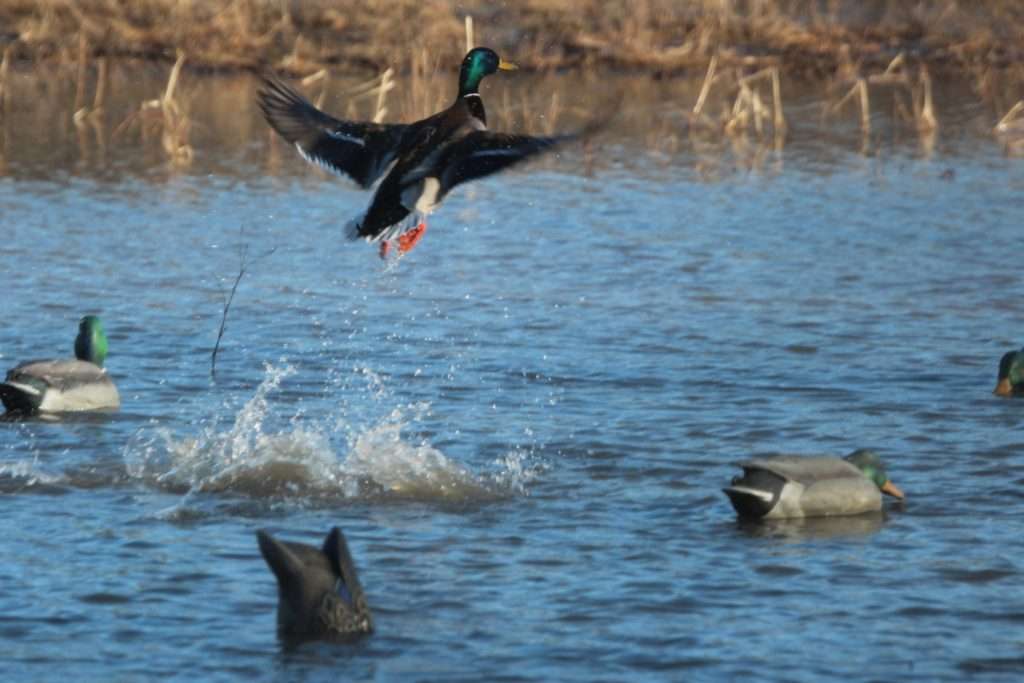
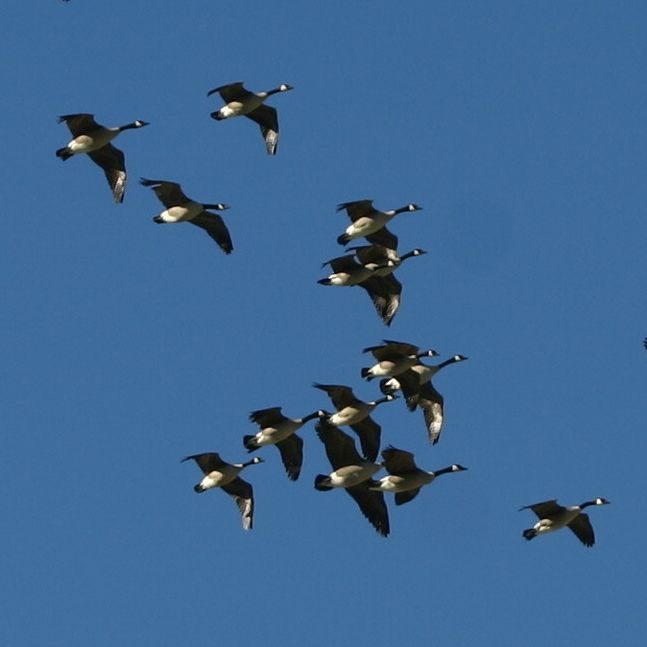
We thought anyone interested in waterfowl hunting would like to know We are in the process of shuffling a couple of the waterfowl blinds and experimenting with the idea of flooding a couple of new marsh areas. The landowner in Holt County Unit A is building several levees running both north and south and east and west in an attempt to flood over twice the surface acreage of the entire marsh at a consistent depth comparable to the pool in front of blind #1 from last year. Last year, the water was spilling over the south and west levees which made the water level on the north and east side of the marsh too shallow for the ducks to work. Also, the long stretch of irrigation pipe will be eliminated and replaced with steel pipe buried under the levees to allow the water to flow from the pump to each separate pool without the view of the white irrigation pipe. At this time, we are planning to have a total of 4 blinds over 45 to 50 surface acres of flooded corn stubble with a couple acres of standing corn left for the ducks in front of each blind. Our next project will be to move the blinds from Henry County Missouri Unit G to Nodaway County Missouri Unit B and Bates County Missouri Unit D. Henry G has been inaccessible during wet times and un-huntable during dry times so we feel it will be to our advantage to move the blinds to other locations that are guaranteed water on proven flyways. We are also in the preliminary stage of developing a marsh area on the Missouri River bottoms between Iatan and Leavenworth. This property will have to naturally flood but it is in a natural low area that stays wet and is surrounded by crop. If everything works as anticipated it will be capable of supporting two blinds or wade-in areas. In Henry County Missouri we did not drain any of our lakes except Frog's Lake. We have a cut in the levee from floodwater washing out a beaver dam that needs to be repaired. We are planning to plant a mixture of millet and milo by the 10th of July and hope for rain. This fall in Cass County Unit A, all of the lakes will be available for waterfowl hunting. We are planning to build 2 to 3 blinds. We are also discussing with the possibility of pumping a 40+ grain stubble field in Section #1, but this might be postponed until next season because it will entail some dirt work and the landowner doesn't want to damage his crops. Over the years many of the avid waterfowl hunters have given feedback to increase the amount of wade-in areas and cut back on the number of blinds. We have done this the last couple of years, but once the cold weather arrives the tough wade-in hunters are the first ones standing in line for the best blinds, leaving the wade-in areas unused. We've come to conclude this has been a loosing proposition. We will always have an adequate amount of wade-in areas and fields for goose hunters to hunt on their own, but the expensive lakes and marshes on the main flyways will require blinds to get the proper amount of usage to justify the cost of the leases. If you are interested in helping with duck blind building and covering blinds please call Jennifer or email us to begin a list right now to avoid scrambling at the last minute as we have done in the past with some folks missing out on this fine experience. If you know anyone interested in waterfowl hunting with us this fall we have some openings.
We are in the process of gathering the non-resident landowner deer tags that were purchased prior to the drawing from the landowners, but it will take at least one more week. Until we physically get the tags in our possession we don't want to promise anything. From the data collected we were successful drawing firearms permits, but not all of them will be a first or second choice. The archery tags were tough and at this point we know of only one or two that were drawn, but again, we need to get the tags in our hands before we can promise anyone anything. If there are any leftover firearms tags we feel the best way to distribute them will be through a random drawing to those that pre-paid for tags and didn't get drawn. Any leftover firearms tags after the drawing will be posted on our update page for sale. We do not have any leftover archery deer permits available. July 2
July 1
|