Kansas Pheasant Hunting

Kansas pheasant hunting includes the enjoyment of dog power. Beyond family, it is dog work the majority of our upland bird hunters seek and what is readily gained from three states of pheasant and quail along with different cover habitat.

Kansas Pheasant Hunting

Kansas pheasant hunting is plentiful, too plentiful for the individual hunter with a dog to hunt it all. That hunter will find how to select from a filed of hundreds of acres where to hunt and where not to based on cover, crop, wind, dog work and birds seen. part of the adventure of a self guided pheasant hunt.

kansas pheasant hunting

Self Guided Kansas Pheasant Hunt Rewards

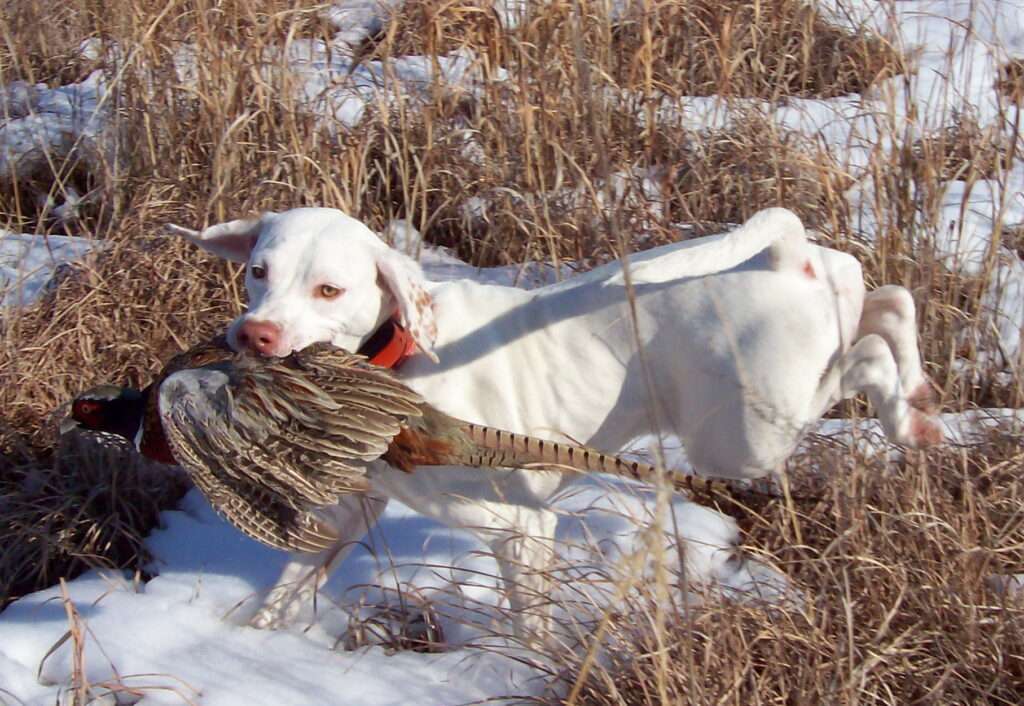
wild pheasant huntsTwo experienced do it yourself pheasant hunters.

Pictured is the son home from college on a day the hunt had more walk than wanted.

Their dog is well experienced on pheasant and quail both.

It is interesting the conversations we hear each year about how one hunter or two with a single dog cannot hunt pheasants as pheasants will run too much and not hold for point. We have much evidence to the contrary.

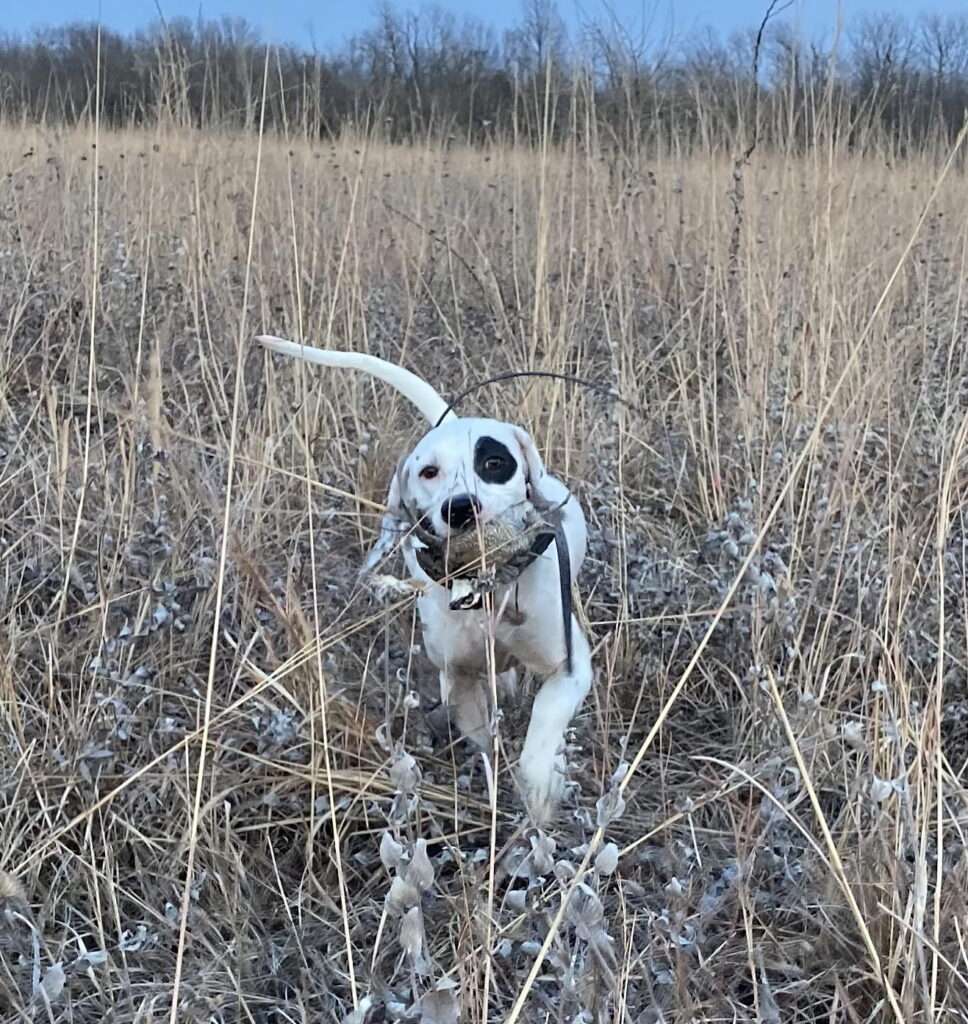
kansas pheasantWe are in the part of the country where a mixed bag of quail and pheasant can be achieved, but never expected by those not willing to walk, shoot well when fatigued and have the dog power to find and point birds.

This Brittany shown in his last season had it in him for a good day even at a slow senior pace.

Pheasant hunters are well familiar with tall grass pheasant hunts. Other wild pheasant habitat include the brushy draw, crop stubble with milo and corn being enough to hold birds and wheat with weeds mixed in also a highly productive habitat. However, working all of these habitat types will not be productive for all bird dogs or pheasant hunters. Just as in tall grass, dog power is often defined as to what habitat type any one particular dog can produce pheasant holding points or close flushes.

We have a great amount of exposure to a lot of pheasant hunters from various states and upland bird backgrounds. This exposure value is the hunters' feedback based on habitat type and predominate upland bird hunted back in their home state. In short terms what we have found from these pheasant hunters is that those with grouse productive dogs seem to do the best at finding pheasants in the tall grass. Those with bird dogs heavily trained or hunted on quail do not produce nearly the number of pheasant holding points.

This compares locally that most resident bird hunters with the best quail dogs rarely pheasant hunt. Any pheasants bagged by dedicated quail hunters more often than not are incidental to the quail hunt. A byproduct that while accepted, is not sought.

Conversely, that same non-resident bird dog with whatever predominate bird it has in its training or what bird it hunts the most, may be a poor pheasant point producer within one type of habitat be it grass or crop stubble and be a superior pheasant hold to point dog on the brushy draw or crop edge. That lends us to the advice to new traveling to upland bird hunt hunters and that is to take a bit of a tour of our pheasant and quail regions in Kansas and Iowa.

When the first year MAHA self guided upland bird member goes on his first upland bird hunt we will recommend where based first on his bird of choice, pheasant or quail, and second on any habitat preference. That recommendation may not always be Kansas.

Kansas Pheasant Hunt

self guided kansas pheasant hunt

A single Kansas pheasant point in a scrub pasture below a wheat field where the birds were pushed in from.

The results from the hunt.

Paraphrased email Kansas pheasant hunting account: "...hunted a 1/2 section for about 2 1/2 hours...pup's now nine months old...three pheasant right at the end of the long walk...they all came out of the draw in the pasture..."
From Jason a 10+ year member.

Usually the first time central mid-west hunter while knowing the bird he wants to hunt does not have a preference on habitat. For that hunter we suggest a tour of such of the various habitat types covering the entire spectrum of what is available, a choice Kansas is well suited for to include providing a good mixture of quail and pheasant hunting regions.

Within that first pheasant hunting trip, he may very well fine tune his bird dog and hunting style to the pheasant habitat they are most productive within. For Kansas pheasant hunting the choice is the tall prairie grass, brush draw and wildlife areas around crop farms.

An aspect of our approach to pheasant hunting is oriented toward the do it yourself pheasant hunter as he is far more likely to be interested in the pheasant hunt itself rather than the collection of birds.

Those that seek a lot of action for minimum effort are best suited to pen raised pheasant hunts on a preserve. Those that seek to enjoy the pheasant hunt itself, the habitat pheasants occupy and their own dog work will find the wild pheasant hunts in Kansas to fit that desire.

Early on in this article we wrote that Kansas was the pheasant hunting state of choice over that of Iowa for self guided pheasant hunts. We will now further define that pheasant hunt recommendation within a framework of decision criteria.

Kansas State is superior in terms of higher wild pheasant population densities, more mild winter temperatures, a lot less snow and a wider range of pheasant holding habitat types.

The prime pheasant habitat is the tall grass. For those that hunt the tall grass a day or two is enough. The extra physical exertion grass walking requires with grass constantly smacking the hunter's face and the complete redundancy and monotony of tall grass will soon cause the Kansas pheasant hunter to seek variety in spite of the bird numbers to be seen.

The brushy draw with its opportunity for a quail covey or two in addition to pheasants and the easy to walk crop stubble all start to seem far more attractive for the enjoyment of the day in the field. Combine these advantages to the broad, shallow and generally tree less drainages and Kansas soon becomes a favored pheasant hunter state not just for its pheasants, but also for its habitat variety.

Kansas Pheasant Land

We show as many pictures as we can of Kansas pheasant hunting land so as to remove as much of the mystery of where to pheasant hunt as pictures can.

kansas pheasant hunting land

What we call a waterway or dry field drainage seen in the center of the picture.

Waterways are required for rain runoff control as our soil has a tendency that once the immediate surface is saturated to resist taking on more saturation and allows the rain to flow over the fields. Waterways collect that excess water and as they are not cut in all cases being left to nature the higher grasses and weeds do not allow for erosion. Waterways that are cut typically are planted in brome, a cool season grass with high pioneering capability and thick surface roots that prevents erosion and makes a very fine hay well suited for horse and cattle.

In the case of this spot it appears more likely for pheasant than quail due to plenty of open field grass and weed as well as low level brush cover. The yellow looking fields are beans, the near cut crop is sunflower (found more frequently in Kansas than Iowa) and the green grass is a fescue hay field.

Kansas Bobwhite Quail
Kansas Upland Birds
Iowa Pheasant
Missouri Bobwhite Quail
Upland Birds
Main Upland Bird section
 
Home Deer Turkey Upland Unguided Duck Fishing Index
Mid-America Hunting Association Email 913 773 8110
Spend your time hunting rather than hunting for a place to hunt.