![]()
30 May
23 May
Quail hunters will recognize these photos. The one on the left is from last summer showing a very good stand of Partridge Pea. The bottom one is the same stand showing it did re-seed itself and will again be a good spot for quail.
20 May A dynamic is occurring reference Kansas deer tag applications. Before anyone applies for a tag and feels they want to play the odds comparing last year's results supplied with the application be aware that unit 10 has a lot of tags and most of the Association land in that unit is bird ground. One other point to consider. One of your Association staff members owns a farm with food plots in unit 10 and he does not hunt it as we have much better ground and better deer elsewhere. 19 May
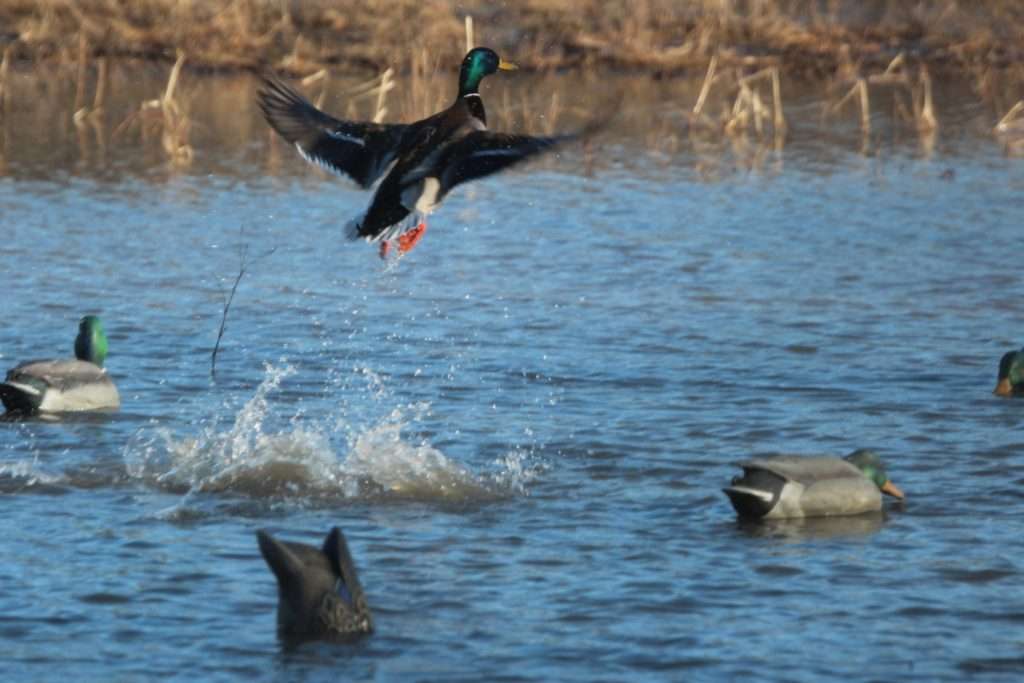
One of our natural sloughs (left) in addition to our managed wetlands that was dry last year for lack of rain has plenty of water for the ducks already this year. A timbered
Becky Moore shows how the ladies can hunt.
12 May
The crappie are biting. 9 May
8 May
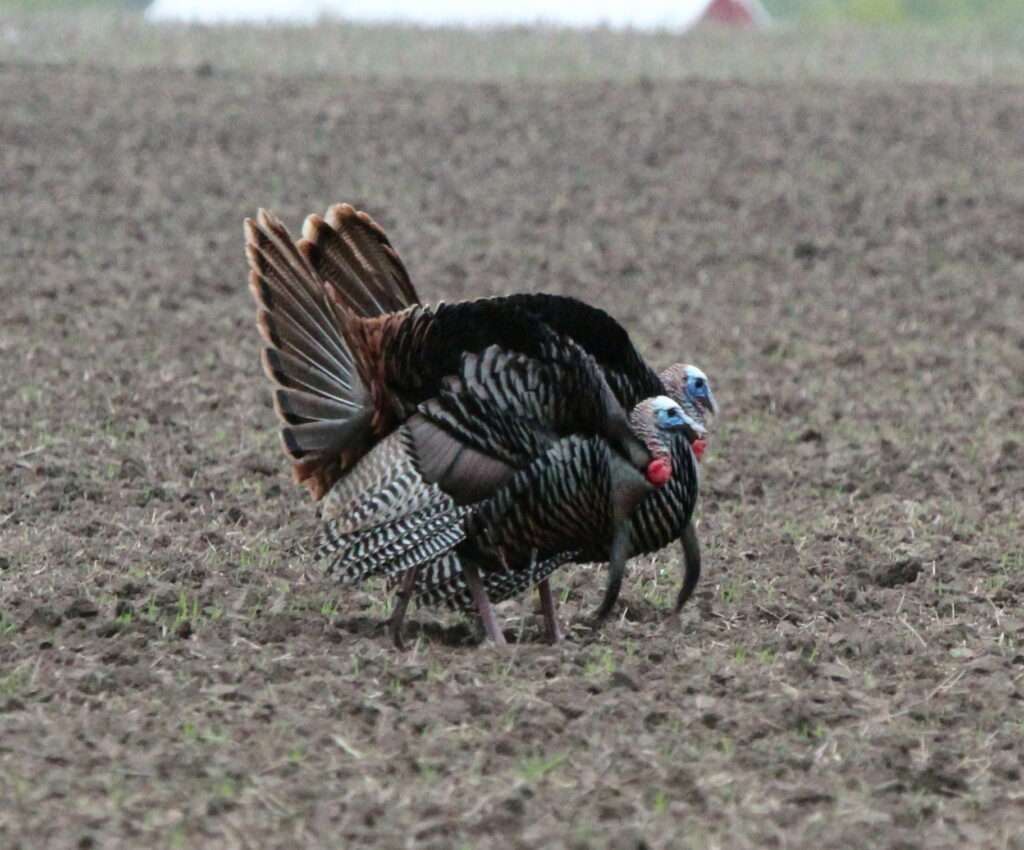
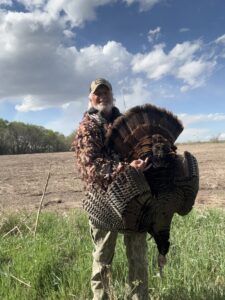
7 May "I was very happy taking 3 out of a possible 4 mature toms, and hearing and seeing as many birds as I did. I only heard one distant gunshot in those 9 total days of hunting. I had the properties to myself. That's one thing I love about hunting private land, and especially in Kansas, the birds just aren't pressured and so they're willing to talk a good bit. Enjoyed my hunt very much this year and look forward to hitting it hard again next spring. Thanks for the work ya'll do in finding quality properties for MAHA members. Good Hunting, Joshua Flournoy, Texas"
6 May Indiana hunters Rex and Dan new to their Association, first time central mid-west hunting and recent converts to spring turkey hunting show that real hunters only require the right opportunity to do well.
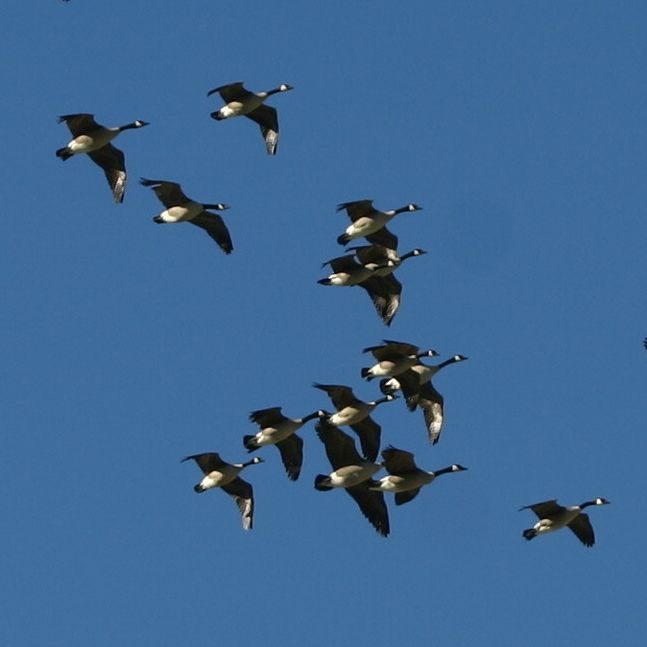
A goose family on the MAHA office lawn. 5 May Upland hunters each spring we all watch the May - June rainfall as the most direct indicator of the upcoming fall's bird hunting. Each spring when we discuss this topic at least one novice bird hunter will email "..what crap... [this data is]" to quote one from last year. For any hunter of ground nesting birds not to understand the correlation between rainfall and the critical hatch and brood months of May and June is to be unaware of the game he pursues. Incidentally, the earliest reference to this correlation that we have found was in the book Arizona Game Birds published in 1962. The NWTF and QU have both published similar findings in their monthly magazine over the last few years. This chart shows the past 9 years that we have tracked May-June rainfall and hunter success. The cut mark appears to be 10 inches. Less than that and chick survival rate is high meaning more fall birds than the previous season. More than 10 inches and chick survival rate is low and the subsequent fall bird numbers are likely to be depressed compared to the previous season. During the good years is when the stories of seeing 100 to 150 pheasants or 4 to 8 coveys before lunch are had. The bad years are those when we hunt all day for a limit. Last year we published the chart in July (see archives) with hunter success data as measured by pheasants in the bag. We deleted that data this year as email feedback was of two types. Those that harvested more than what was listed and those that harvested less. In both cases these two groups voiced disbelief over the data claming hunters did not know how to hunt or the numbers were inflated. The real issue was between those that hunt the high pheasant population density areas over those that hunt less densely populated regions, all for various reasons. The bottom line is to watch the rainfall as an indicator of potential hunting enjoyment this fall. 2 May
|