![]()
12 May GreensburgDear Jon and Shaun, I have bird hunted a number of the leases around Greensburg the past few years and have always stayed in Greensburg. When I heard the news regarding the recent tornado it was hard to believe. I received an e-mail with a link to some pictures of the devastation and thought others in the club, who have hunted in the area, might like to see them. The pictures show the complete destruction of the town. They really put the damage in perspective. It is a miracle more lives weren't lost. The links are as follows: http://www.kansas.com/static/slides/050507tornadoaerials/ http://www.kansas.com/static/slides/050507tornado/ Jordan
Waterfowl WaterWe've about forgotten that the 2006 fall water levels were one of the driest on club record, but the recent rains have turned things around almost 100%. At present, all of our holding, irrigation and watershed lakes are full, which is positive for water down the road, but our wetlands in Henry County are a muddy mess.
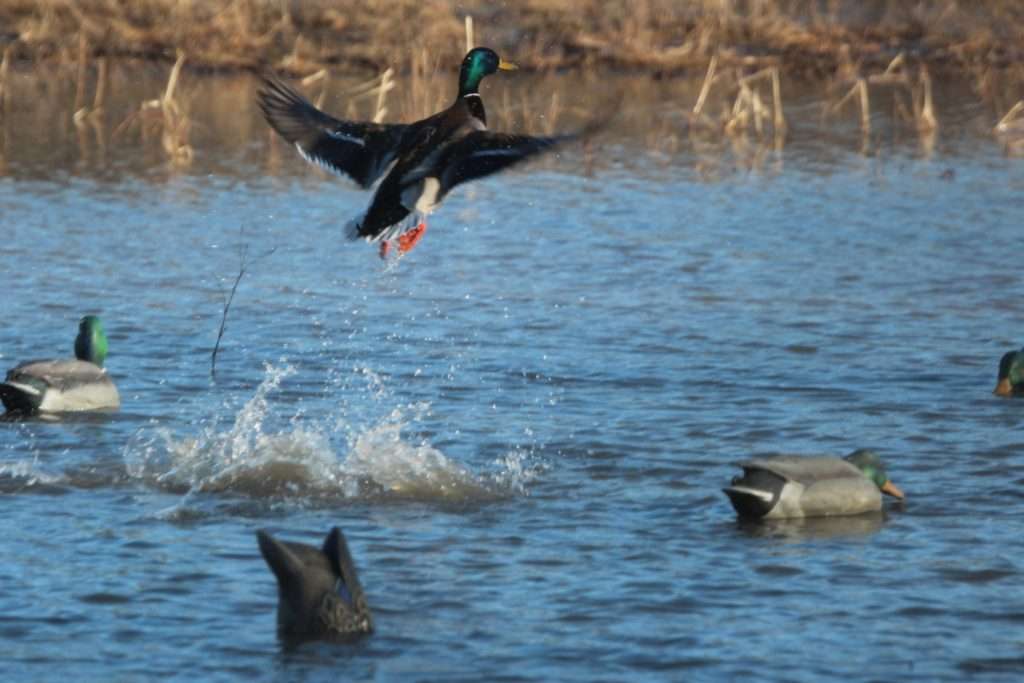
Below are a couple of photos taken this spring while draining and moving water in Henry County. We'd like to share what we take for granted working the wetlands during the spring and summer months: the beauty of birds in their spring plumage.
A drake Green-Winged teal doing what they like to do best, coming and going at extreme high speeds.
A Ring-Necked drake feeding on millet that was planted last August.
A pair of pintail flushing from a stand of millet in one our wade-in areas. Fall Seasons Vacation PlanningTrends to consider for scheduling the all too valuable vacation days.
Recent fall weather patterns most will agree have been warmer than what memory serves over past seasons. The warmer temperatures combined with standing crops, especially corn, have made early season upland bird hunts difficult with both dog and hunter heat fatigue as well as poor scent conditions. Come the second week in December is what most will agree will be the early timing for the more predictable cooler winter weather with increased daily moisture (dew/frost) and overall precipitation. Those that have hunted the last couple of opening weeks have fallen into two camps. The first are those that simply believe the birds are down and the habitat poor. The other group is the one that recognizes early hunts for break-in time and an excuse to get out. This latter group hunts the hardest during the last half of the season.
Deer hunters have been counter what had been common belief and many found the warm early archery season temperatures and standing corn to their advantage. These hunters largely compose those traveling from the warmer southern states while the northern state hunters find warm days in stand contrary to good deer hunts. Several discussions have included comments the deer during warmer weather are less likely to move as far when bumped, likely to return to more predictable patterns, just as easy to scout as other times and more. One observation from this side of the telephone recently as well as having some long standing is that the deer hunters that have the most enjoyable hunts are the ones that hunt the portion of the rut they have the most familiarity with in their own home state rather than the hunter that may hunt early rut back home and hunts peak rut elsewhere.
A secondary consideration for this fall was this past April’s unusual freeze that caused many corn farmers to loose their first planting. That plus pre-emergent corn herbicides time in soil effectiveness and high corn values caused many to replant their corn fields later than desired making it more likely to be in the fields longer to reach maturity this fall.
Duck hunters of long standing will tell no one can predict the migration peak until it happens. This comes from an old timer of 70 seasons, of which 58 were with shotgun in hand. Dad made him wait until he was old enough to shoot and they each shared a single shotgun back then when a box of shells needed to mean 20 – 25 birds in the bag. We have in the past used the MDC historical wetlands counts as a measure to predetermine future peak migration and found the cold winters the peak has been as early as the third week in November and on warm winters no real measurable peak or as late as the third week in December. Both Canada and central mid-west winters were examined. It has been the recent case the warm winters have tended to make the later part of the waterfowl season more productive. That combined with recent dry falls leaving wetlands not as wet as desired until later in the season makes schedule vacation time during the last half of the waterfowl season a more likely prospect for a better hunt.
Fall turkey hunters, the few that we have, rarely have any concern about weather or crops.
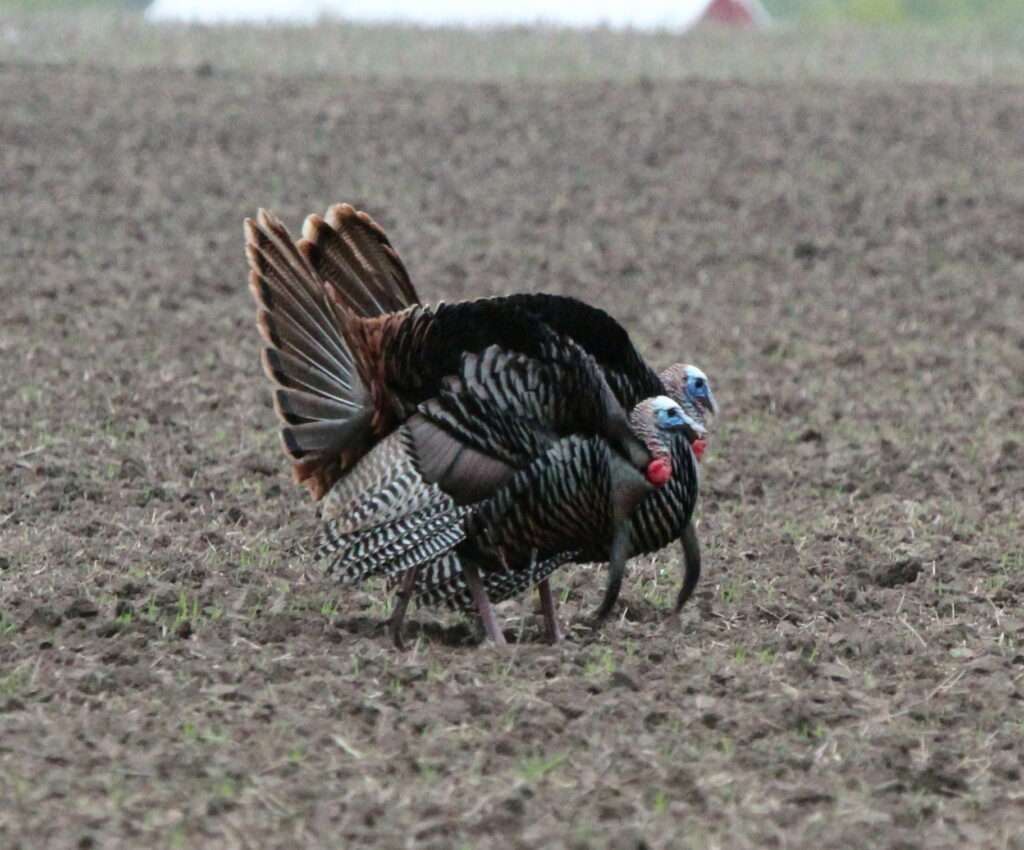
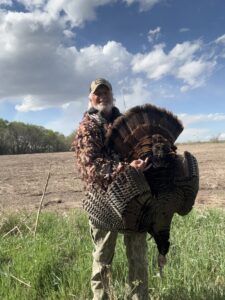
Missouri Turkey"...The reason was the poor nesting and rearing season for turkeys in 2005. Add that to the poor weather for the rest of the season and fewer turkeys are harvested.....The number of spring turkeys harvested from April 16 through May 6 in 2007 was 44,947. That is 6,071 birds below last year and 11,935 birds below the previous record set in 2004...." The Marshall Democrat News, May 11, 2007, Thomas Davidson/Saline County Conservation Agent
|
|
|
|