![]()
States
Interests | The pheasant hunting habitat that is the most well known, most written about in upland bird hunting magazines and that which holds the highest density bird numbers is the tall native grass of Big Bluestem, Indian and Switch Grass. native prairie grasses approved and used for CRP and well suited for wet and dry years on the great plains.
These grasses are warm season grasses meaning they have their growth period during warm weather as opposed to cool season grass that grows in early spring and the cooler fall time periods going dormant during hot periods. Cool season grasses such as Brome further are short and provide little overhead protective cover from predation. Warm season grasses grow up to seven feet tall in the best soils and wet summers. typically they will be found ranging from 3 to 5 feet tall.
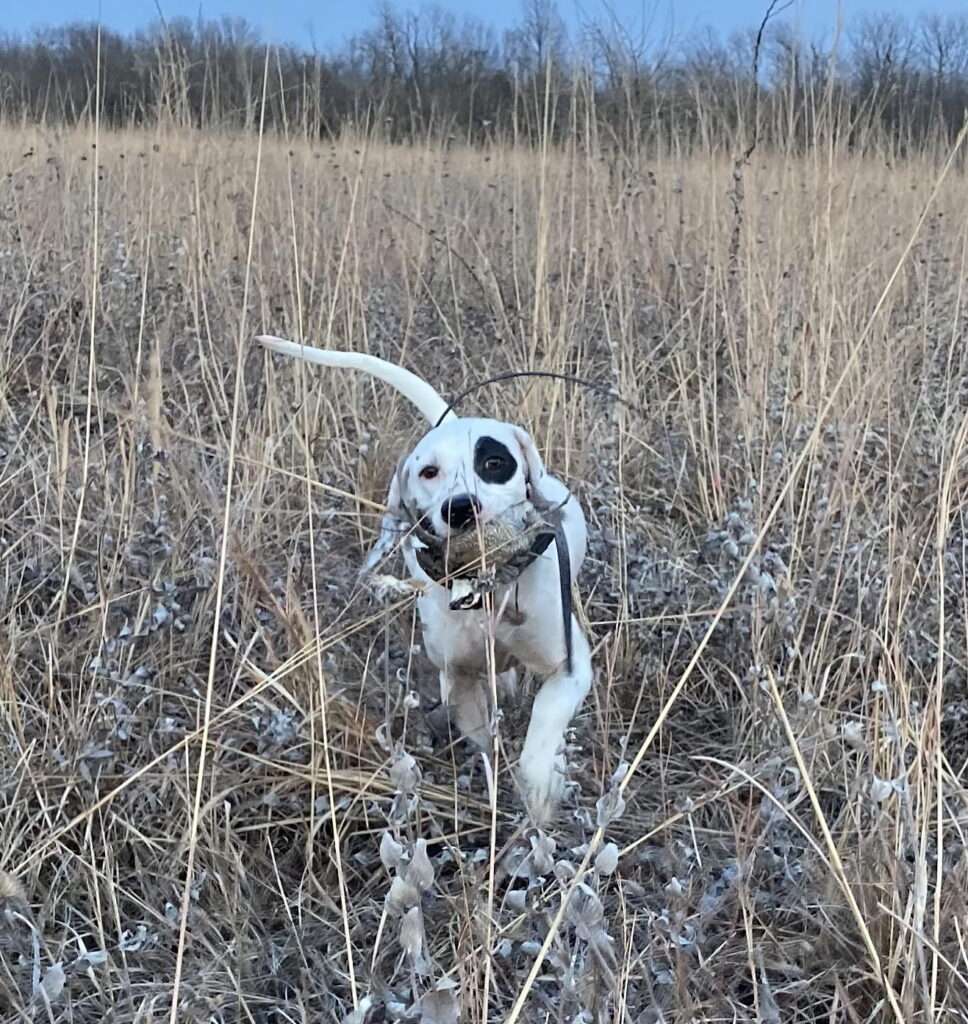
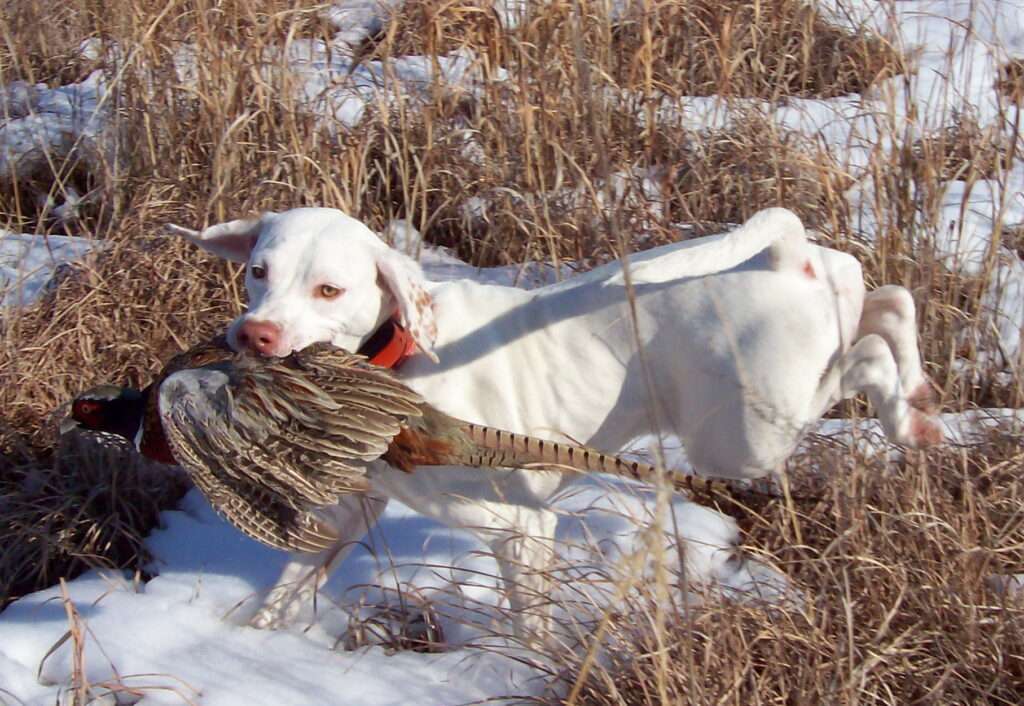
In general terms the best tall grass pheasant hunting will be in larger fields, fields without surrounding tree lines, boarding grain crop fields and fields that are flat. Pheasants prefer the large open areas and the best tall grass fields will have the better pheasant hunting away from places birds of prey can roost. The larger fields will have more than one hot spot and the smaller fields typically one spot over all other areas that holds the birds the most for flush or point. Tall grass is cover only during the hunting season with very little food to be found within the tall grass fields unless food plots have been planted. Having the best looking tall grass field surrounded by pasture or fallow ground will yield far less pheasants than lower quality grass next to a grain crop field. Pheasant biology is well suited for keeping an eye on the sky and flat fields will conceal hunter movement. This is all the more significant when recognizing pheasants can see color and a hunter in bright orange will standout against the brown grass. Any hunter that walks the top of a ridge will be easily detected by any pheasants at lower elevation and that visual detection will add pressure to the noise made by walking through the grass. The better grass is at/about five feet tall. This height will give good aerial protection even in dry years when the grass will be thinner. It is also the highest that allows for easier hunter passage. Six foot and higher grass will be found and the hunter less likely to enjoy the hunt as that grass will be slapping most in the face. Finding the pheasant desired better grass near a food source and working a dog into the wind from lower to higher elevation from thinner to thicker cover will yield more shot opportunities. Dog power is well defined when tall grass pheasant hunting. Those that hunt quiet than noisy (bell vice beeper collar) will produce more pheasants in the bag. Those that work the cover slower than fast will make for more pheasants in the bag. Those that work close than far will find the dogs with more bird retrieves. Flushing dogs must work close and typically do so within this thick cover just to keep eye on the master. Those flushers that rush to flush will more likely create a flying rooster. Those flushers that pause at scent such has been the typically the pattern of the "pointing lab" or are otherwise slow to flush will create more runners and less likely flying roosters hence fewer shot opportunities. Pointing dogs that work slower and with point standoff greater than 6 feet on a single rooster will yield more birds to point for hunter flush than runners. |