Field and Pond Goose and Duck Hunts

Missouri Duck

Wetlands

Kansas Pond Hunts

Iowa Duck

Testimonials

Self Guided Hunts

Reservations

Goose Hunting

Duck Hunting

Pheasant Hunts

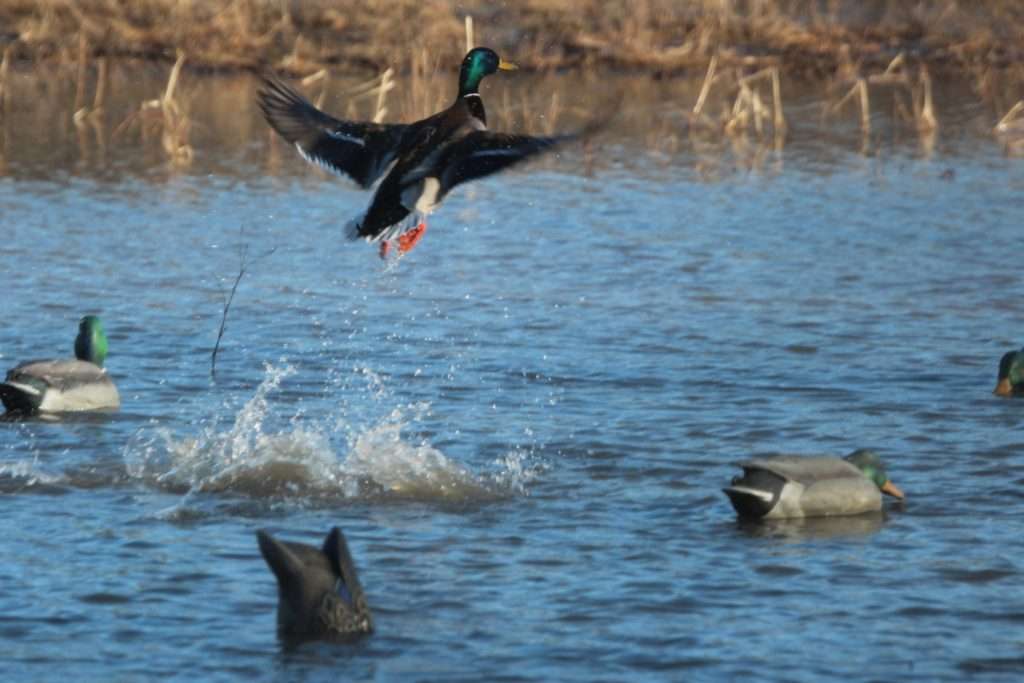
Do it yourself pond duck hunts frequently in conjunction with field set hunts for both ducks and geese have grown in popularity amongst Association waterfowl hunters over the last couple of seasons.

Wetlands duck hunts are easy with mapped wetlands and numbered blinds. Field and pond duck hunts takes scouting that some find to be too much work.

Along with this trend is the secondary dynamic the MAHA staff has become trainers for those that have heard of other duck hunters’ pond and field hunt success and seek information at how to achieve similar successful duck hunts. The impact on the staff has been for hunters to seek them as hunter trainers rather than hunt execution facilitators. This effect is contrary to the Association’s purpose.

Another good hunt on Mid-America property.

Thanks Danny for sharing you picture. Good luck with the rest of the season.

The more the staff remains focused on providing the resources for hunt execution the better for this self guided duck hunter organization. Hence, the purpose of this article. That is, to give those hunters that want a jump start on do it yourself pond duck hunts and field set hunts what has worked for those that report the most successful seasons.

The do it yourself aspect of pond duck and field set hunts is that our ponds and fields do not have duck blinds, we do not control water levels on ponds nor do we advertise specific ponds or fields as waterfowl hunt locations. The issue is that waterfowl use of any one pond or field is not consistent to regulate its use, and if we did, it takes far less duck hunter pressure on a pond or single field than food plot enhanced, water level controlled wetlands to drive off the ducks.

The elements to  successful pond duck hunts or field set is to first locate the ponds and fields likely to attract ducks and geese, during season/hunt scout and hunt.

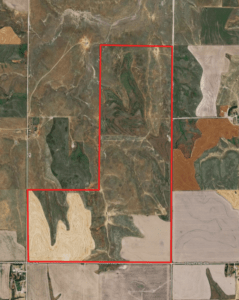
The first method of pond and field location is to review our online map library and find those that list ponds, typically for fishing. From this starting point draw down aerials for all lease land in close driving distance to known fishing ponds and seek out other water bodies and interdicting fields. The final step is to scout out additional ponds not listed on the map library and not seen on aerials. This requires foot scouting, as there are far more ponds on Association leases than can possibly be cataloged.

An alternative is to use current MAHA duck hunt managed wetlands as a starting point, seek out nearby ponds and crop fields thereby having wetlands and pond/field duck/goose hunt options within a small area.

A further refinement would be the same as before relative to our private wetlands locations and that of nearby public refuge areas. Two prime regional locations for such pond and field duck hunt reconnaissance have been north central Missouri around the Fountain Grove public wetlands and southeast Kansas near Neosho and La Cygne public lakes and wetlands areas.

While we list these two well known duck areas, it is they have had less duck hunter pressure than around the Holt County flooded cropland bracketed by Bob Brown and Squaw Creek and that of the most popular area around Clinton, Urich, Blairstown in southwest Missouri. These duck and the northern goose areas have more local small acreage waterfowl outfitters and accompanying hunter pressure.

Each season duck hunter pressure concentrations and slack varies. This last identification of localities is more to remind folks that if one area is not working the Association has options of where else to hunt.

During the hunt scouting is the determinate of where to duck hunt and not preconceived decisions based on aerials or known pond locations.

The best scouting finds ducks or geese on water. Call in a reservation and then hunt that next morning or that afternoon and the next morning. What is the difference? Apparently, a great difference from what the most successful duck hunters have told us and a distinction between when to pond or field hunt.

A pond with ducks on it is left alone the day of discovery. If lucky and observing where the ducks feed/fly around relative to the pond a field set that afternoon out of sight of the pond and in sight/hearing of the duck flight line is the right decision. Leave that field set decoys in place and reserve that pond for the next morning’s duck hunt. Hunt the pond the next morning or all day and the field set left the previous day is an alternative hunt dependent on limits and how the ducks/geese worked. Repeat at that pond and field until the ducks are pressured off or repeat at another pond or field.

Pond ducks are fewer in numbers than on wetlands, are not call or spread shy and typically can be worked for a day or two and then its time to move on.

These hunts are not easy or quick. They are simply more enjoyable as a true hunt out the ducks and have the chance to work call and decoy skills to a higher level than can be done on more pressured wetlands.

To help put these duck hunts into perspective are the number of ponds in a relatively small area the majority of the pond/field duck hunters work.

The ponds may cover an area that exceeds 50 road miles and 4 hours to scout. Most of these hunters have in excess of 8 known ponds identified that have good duck holding potential. These ponds were found over time in a trial and succeed or failure mode taking more than a season to develop. The traveling duck hunter at this point may rule out the pond and field duck hunts as an option as too time consuming. That is true to an extent, however all who duck hunt have days of early limits or simply bad duck days of missed migration or weather not suited to duck movement. Those are the days to scout ponds and fields and develop further duck hunt options.

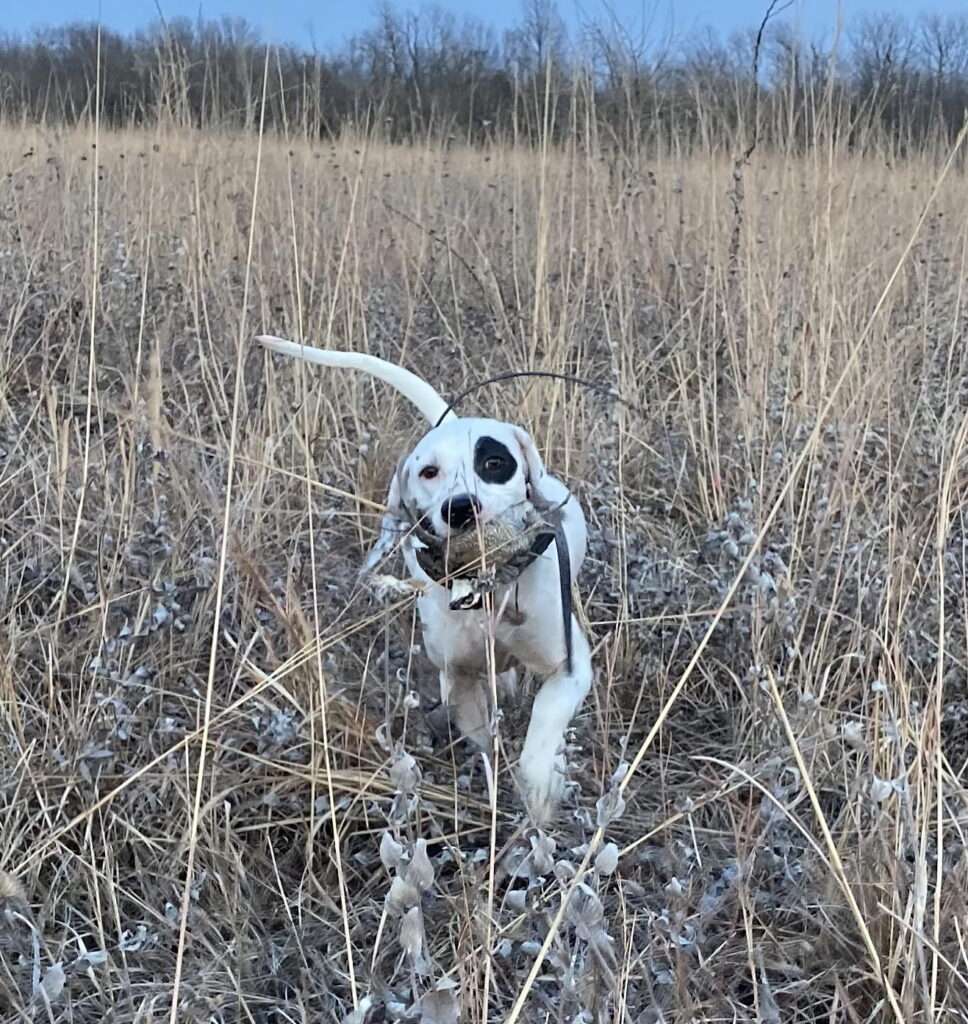
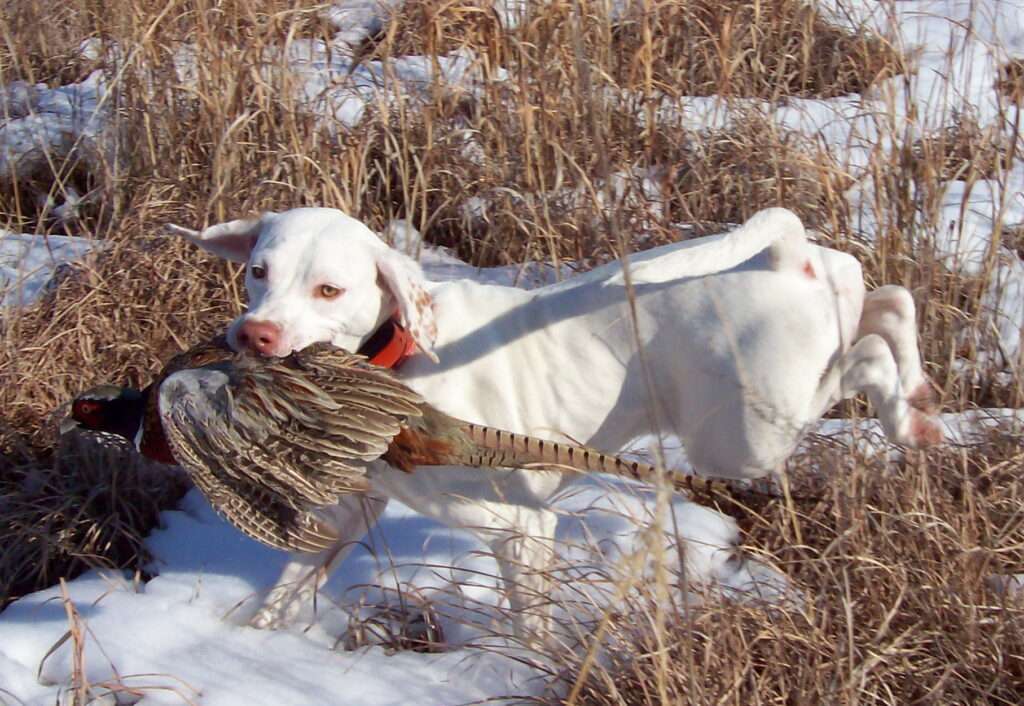
Those that pond and field duck hunt frequently have dogs and pheasant hunt before and after peak migration.

An example of during season hunt accounts posted to the update page.

The opening day forecast for the North Zone in Missouri predicted one of the best openers in the way of numbers in decades, but as always, Mother Nature did not cooperate.


The birds had enough food on the nearby refuge areas to accommodate their needs and stay put, which made hunting less productive than anticipated.


There were ample flocks of teal, gadwall and widgeon to provide some action the first couple hours of the season, but we need cold weather in the northern states to push the mallards our way, which is typically late November till the end of the season.


New member Elmer with the first 2 greenheads of his career and a gadwall drake.


Long time member Tim with 2 mallard drakes, 2 gadwall and 2 teal.

Read more on our pond duck hunts