Scouting

Choices

Whitetail

Mule Deer

Turkey

Waterfowl

Upland Bird

Small Game

Fishing


States

Kansas

Missouri

Iowa


Of Interest

Lease Maps

Hunting Pressure

Hunting Lease

Hunt w/Us

DIY

Youth

Self Guided

Women Outdoors


Administrative

Costs

Application

About Us

Contact

Lodging


Updates

All Hunting News

Deer & Turkey

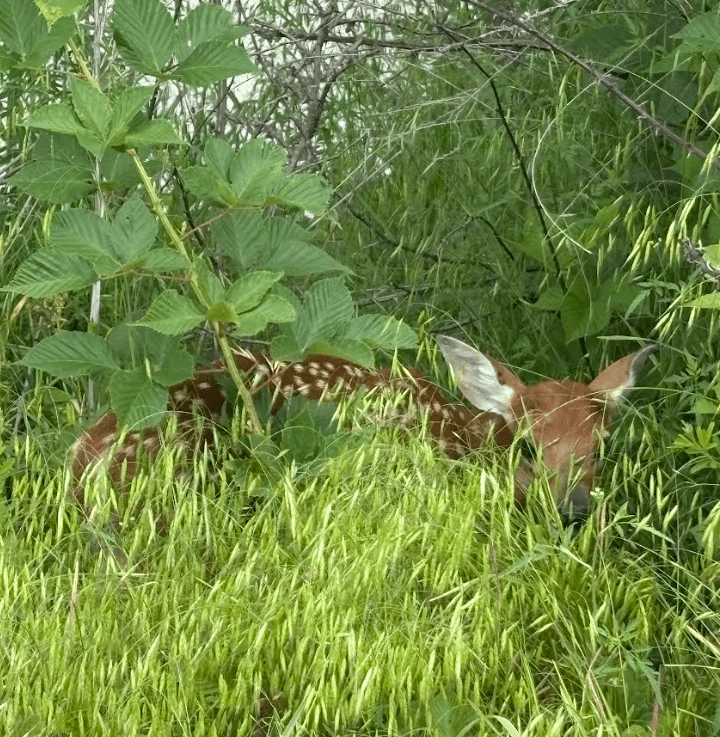
Scouting for deer and turkey is the most common and encouraged type within Mid-America Hunting Association.

Deer hunters typically scout over 2,000 acres of leases selecting 3 or 4 farms to hunt and rarely actually hunt more than 2 leases the entire season. Of the 2,000 acres of land they scouted it will be split between lease land previously hunted and land that hunter has never walked before. From that acreage several golden nugget spots will become evident and each will be hunted during the season until proving successful or not.

That same deer hunter will return to the general area and renew his scouting effort over subsequent seasons. Typically, by the end of the third season the deer hunter has settled in on land that meets his criteria and once he begins to concentrate his effort on less acreage his success rate increases.

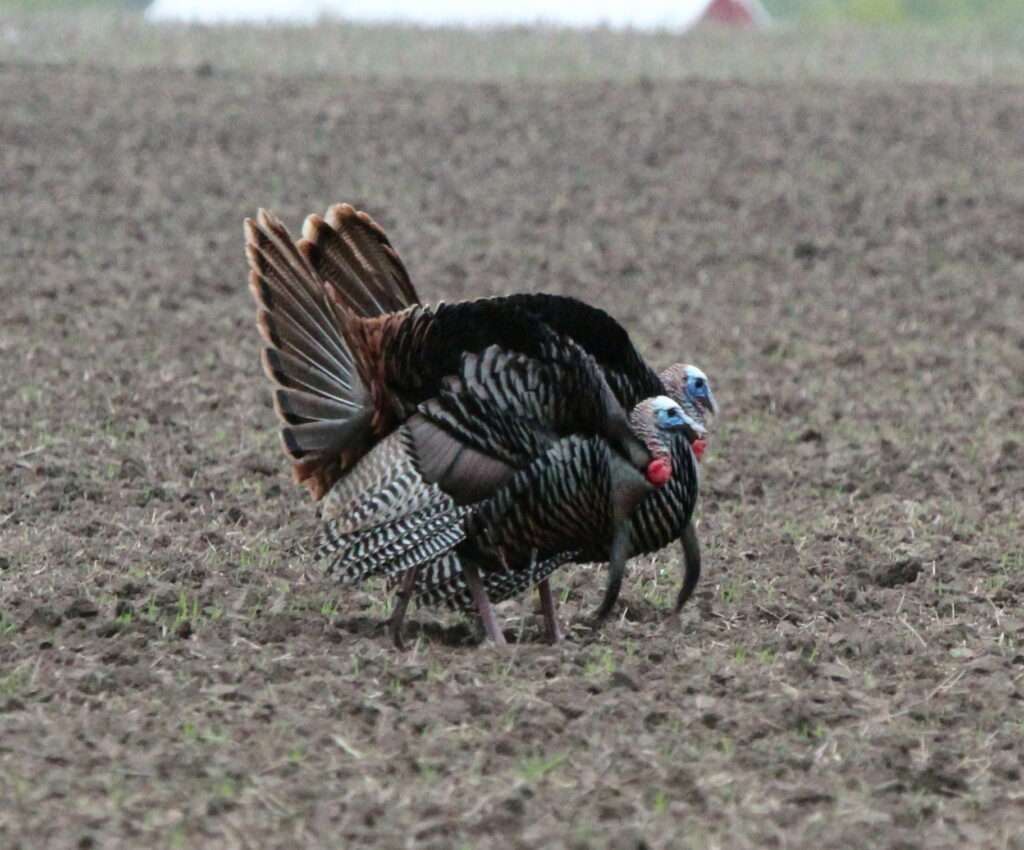
Turkey hunters on average have two flocks and or roosts pegged to a particular farms and with at least two typically find one that produces filled tags. These farms are most often scouted or found during fall deer hunts or in combination with a spring scouting and turkey hunting trip.

As flocks will come and go through the year any turkey hunter without at lest two roosts identified places himself at risk of having to do more scouting during a spring turkey hunt. Having three such farms identified is sufficient insurance to give a 99% assurance of a successful spring turkey hunt with only the very minimal of scouting.

Pintails coming in for a landing right in front of us.

Waterfowl

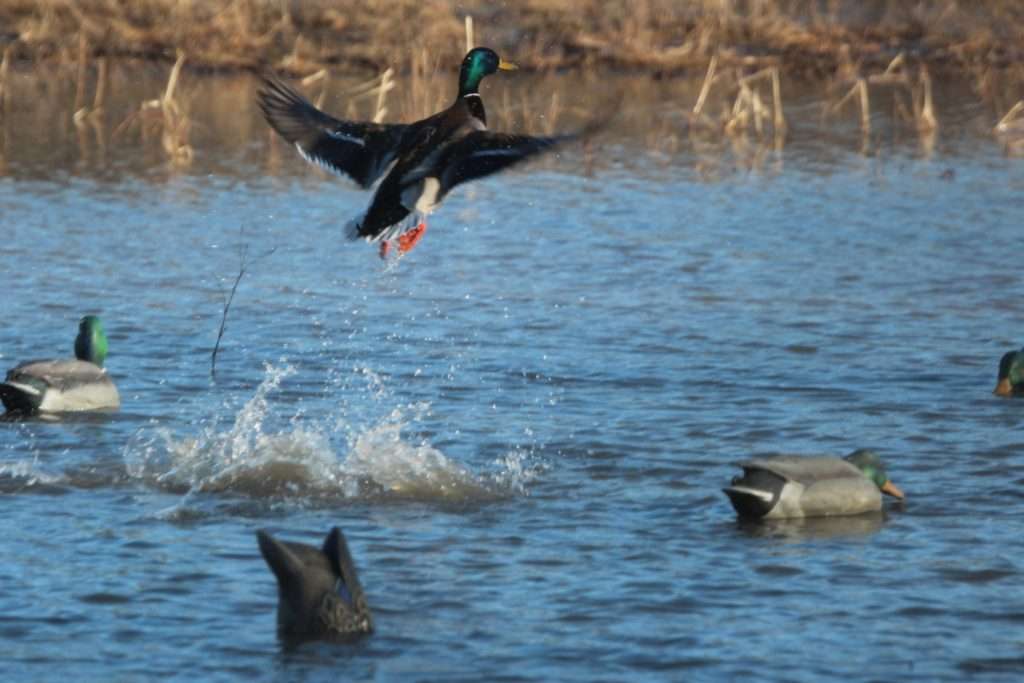
Duck hunters must first scout our wetlands and blind locations at least the afternoon prior to any early morning hours duck hunt.

What many do is reserve a blind for a late arrival day afternoon hunt, set decoys and watch the evening flight. That next morning hunt the same blind and then decide to repeat the hunt from the same blind or telephone in a reservation change and hunt another blind that afternoon and subsequent morning repeating the process on as many wetlands and blinds as desired.

The bottom line is never to expect to go to a new blind for the first time during the early morning dark hours and expect to find it.

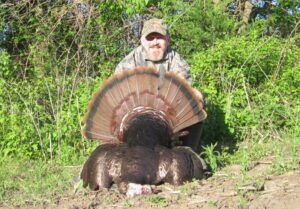
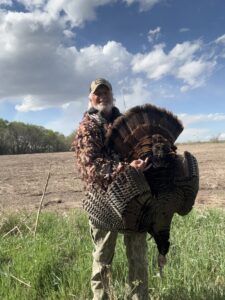
This was one of those “ I’d rather be blessed than smart” type of hunts. If you believe that your Creator can make hungry lions keep their mouths shut when there’s meat in the den, and I do, then its easy for Him to make a turkey gobbler be suicidal. And that’s about what happened on this hunt. I wish I could report that I called him away from another hen on the other side of the hollow and that he sashayed right into gun range. Instead he walked up and down the hollow on the neighbor’s property the previous day, gobbling often, until I gave up in frustration at 1 o’clock. Today I moved the blind to the bottom of the hollow just inside the property line ………….and he was roosted 400 yards into the neighbor’s property and never came much closer all morning. Around 11:30 I packed up the blind and puffed out of the hollow. When I got to the field edge at the top, I pushed the carrying case strap over my head and let blind fall to the ground with a “kawuuumpf”.


Immediately there was a gobble from 40 yards away in some scattered cedars. I dove for the cover of a big oak, got my vest off with the noisy decoys inside, and managed to get my gloves and face mask back on. Peeked around the side of the oak and there are two gobblers walking toward me. I made sure the first one was a mature gobbler and squeezed. When the smoke from the muzzleloader cleared, he was graveyard dead, but his buddy was ready to jump on him. The gobbler I killed weighed 19-1/2 pounds with a 10-1/2” beard and 1” spurs, but his buddy looked like he was easily 30 pounds.


This hunt capped a seventeen day, five state trip (MAHA plus AR and NE) and produced seven gobblers; the largest a 26-1/2 pounder in KS.

Tom Y


Thanks Tom for reminding us how we all need to be lucky once in a while.


Deer

Turkey

Upland

Waterfowl