![]()
Hunts
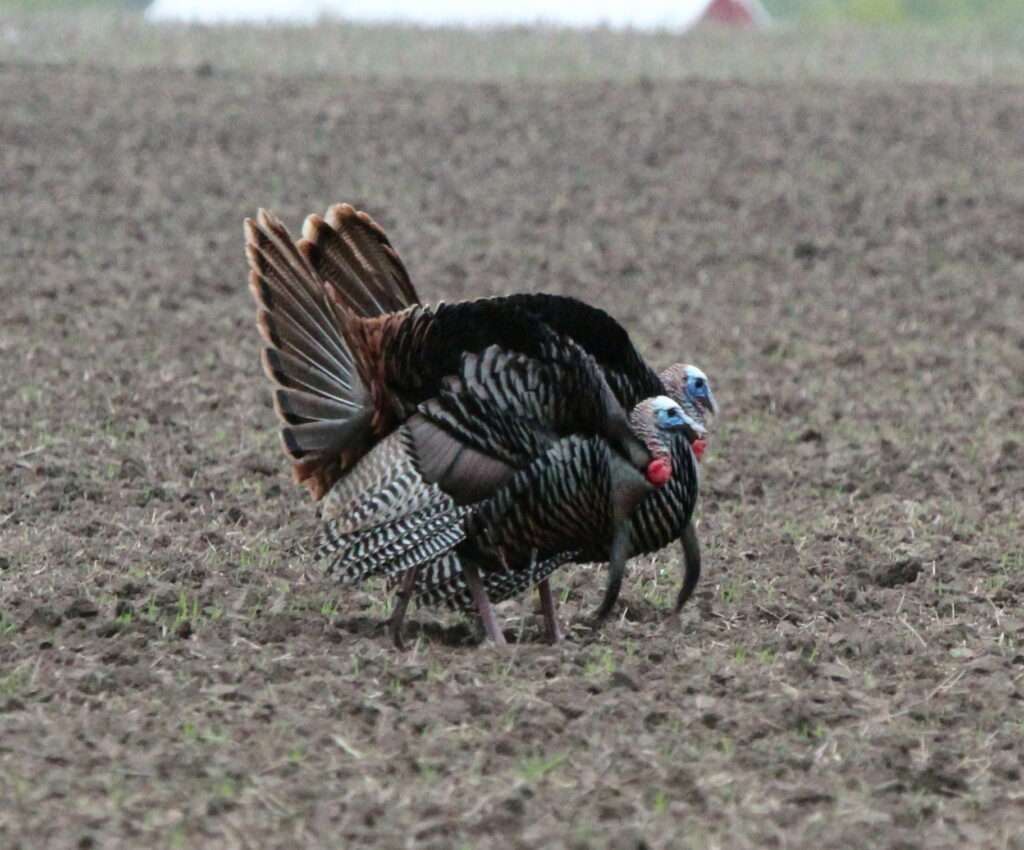
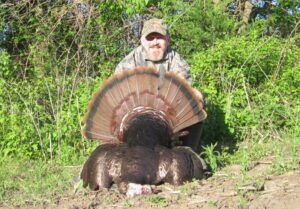
Interests | Spring season turkey scouting follows along two options, that of pre-season or pre-hunt. Pre-season scouting is concurrent with a fall deer or upland hunt identifying flock locations that may or may not be in the same locality come breeding season. Pre-hunt scouting would encompass the first day or two of the hunt itself being scouting days by glassing mostly from vehicle and foot. Once a flock/roost is identified that hunter would reserve that lease for the following day's hunt to ensure that he was hunting alone.
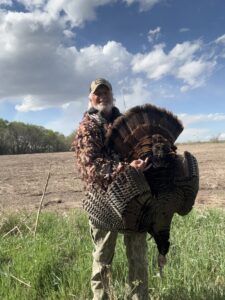
The common method most advocated by recurring members of those that must travel across state lines to hunt Mid-America Hunting Association lease land is to plan the first couple of days before each hunt as scouting days. The price to be paid by the turkey hunter within a self guided operation. These first day or two, do it yourself hunters actually hunt flock locations and the second day is primarily the turkey shoot. For the first year new to the Association to join after the regular fall seasons and before their first turkey hunt we would recommend where to get started. The scouting is primarily to identify roost locations, flydown field, feed location, water location and thereby connecting the dots for placement of the setup location for decoy and calling. The setup and decoy hunter is the one that does have the most success within our open agricultural region where the largest toms are harvested within the least amount of days. All of this is different than with a hunting club that may have feeders posted to concentrate the flock. Without feeders to modify flock behavior the Association hunter is on a true hunt seeking to interdict natural turkey behavior. Run and gun turkey hunters often scoff at the setup hunt with a natural or manmade blind finding that sedentary hunting method simply too boring compared. In any case we allow all to hunt their own style and have seen through the years the run and gun turkey hunter change his ways not just to tag more toms, but also the ability to have long range and a long time to directly observe tom and flock behavior relative to his call a far more interesting prospect. For the first time for many big woods turkey hunters that come to hunt our farm birds they tell of being able to watch their tom for 45 minutes to up to 2 hours. This type of eyes on turkeys simply is not possible when big woods hunters watch through trees for movement of the bird they may or may not have heard 20 minuets earlier. That last comment about toms appearing without making a sound is told to us several times each spring along with the comment the tom appeared as a surprise and allowed filling the last tag and so on. Many big woods hunters find this last aspect of open ground turkey hunting the last straw to try a setup as a means to refine his calling and decoying art. |