Our Missouri Wetlands

Waterfowl

Duck Hunting

Goose Hunts

Duck Blinds

Self Guided Duck Hunts

Duck Hunter Testimonials

Reservations


State Choices

Iowa Duck

Kansas Pond Duck Hunts

Missouri Waterfowl


Administrative

Costs

Hunt w/Us

We certainly appreciate the value waterfowl hunters place on the quality of wetlands and we will attempt to show some on this page. However, our wetlands coverage is extensive covering all of our different habitat types, locations, water level blind photos and more. This page is meant to be just a sample of what is available through all the links.

Missouri - Late Regular Season Duck

From late December on a cold day. Breaking ice is a dreaded project that can pay off big time on the right day. Cold winters will see our northern wetlands freeze over earlier, allowing our hunters to relocate and hunt the wetlands and sloughs of the Middle Zone, which typically remain open longer. The southern duck hunter will bring lots of clothes and the Association northern duck hunters bring too many.


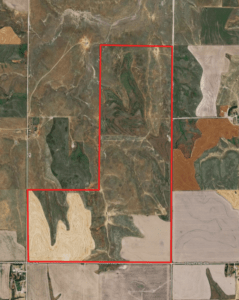
One of our more popular flooded crop leases with water level controlled by an electric pump and well, along with a levee system is in the northwest part of Missouri in what is called the Northwest Watershed or the smallest of the three sub-basins that compose the larger region identified as the lower Missouri River basin.

This lease has over a 1,000 acres of crop ground. We flood about 90 acres with 4 blinds.  The surrounding crop stubble is for field duck and goose hunting. This acreage plus our marsh abuts the Missouri State Bob Brown Conservation Area which is just a mile and a half south of the Squaw Creek Refuge which means several things.

First other non-MAHA member hunters are kept at distance. Next, the overall area has a lot of standing water structure. Third, this portion of the Missouri River Valley is broad and flat giving much to crop land and none to cattle. All that together makes for great layover, controlled hunter pressure and the right combination of water and food.

The last aspect about the picture above that is consistent amongst most of the Association hunters are the number of decoys in the spread. Over water most use two to four dozen. Field spreads of four dozen to several hundred is more common

Non-Competitive Duck Hunts

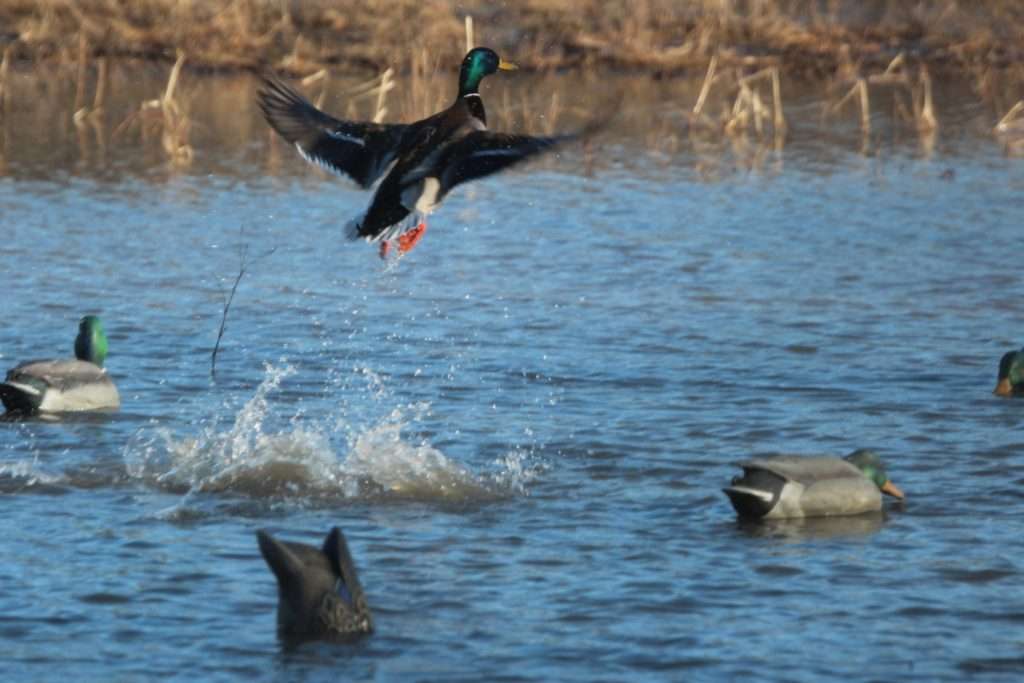
A late season photo from a blind with flooded crop stubble. Putting out the extra effort to break ice can be hit or miss, but when it's on it's worth the effort. Old timers use the term "red legs" for mallards that follow the freeze line on their migration south. This photo is a prime example.

The reflection of the bright blue sky off the green heads of mallard drakes against the water is a sight that has to be seen in person to appreciate.


Wetlands 1 2 3 4 5 6 7 8 9 10 11 12